

The Sussexes Down Under: Navigating a Royal Re-Entry
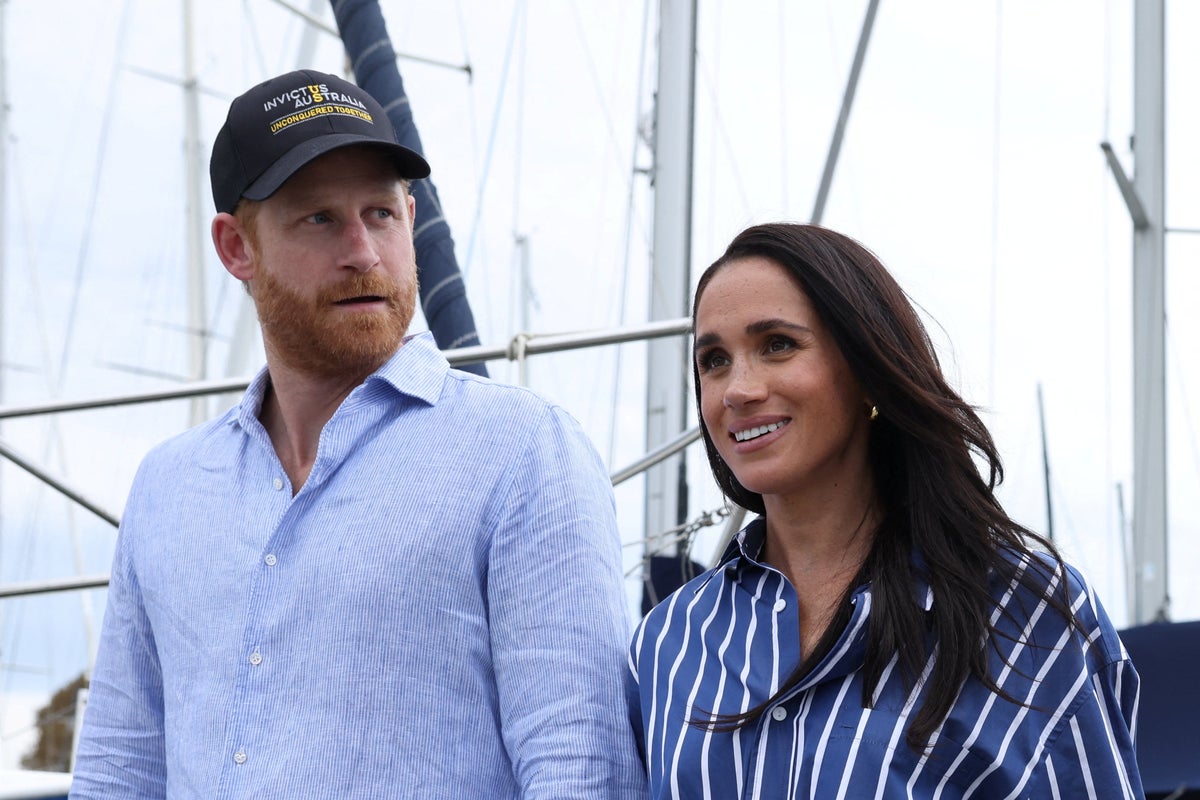
It was all going so well. Harry and Meghan, the Duke and Duchess of Sussex, arrived in Australia amid much fanfare, dressed in matching beige outfits, capturing the essence of modern royalty. Their arrival generated excitement due to a heady mix of celebrity and charity work. On their first day, Meghan announced, “Just call me Meg,” subtly signaling a departure from royal formality. The couple connected with sick children and veterans, with Harry’s affable charm winning over the crowds. Day one was a solid triumph for Brand Sussex.
However, the jubilation didn’t last. Surprisingly, the subsequent days saw headlines shift from adulation to controversy. Public sentiment soured, with many Australians voicing displeasure over what they considered a “faux royal tour.” Australians have long grappled with their relationship to the monarchy, and the Sussexes’ insistence on re-entering this tenuous space stirred a pot that was already simmering with ambivalence.
A Fragile Ecosystem
The Sussexes had previous success during their full-scale royal visit to Australia in 2018, making their recent endeavor all the more precarious. Their return to a nation that is still unsure about its royal ties was fraught with risks. The stakes were extraordinarily high. The complexities of monarchy, celebrity, and Australian identity converged, leaving many questioning their role and relevance.
In addressing a room of Australian business leaders, Harry reflected on his life post-royalty. He conveyed feelings of powerlessness and betrayal, stemming from the loss of his mother, Princess Diana. However, it raises more questions than it answers: if Harry is dissatisfied with his royal legacy, why does he engage in activities that mirror that very legacy?
Understanding Identity and Public Reception
This contradiction points to a palpable tension in Harry’s narrative. He grapples with royal identity while actively engaging with the trappings of celebrity culture—posing as a modern-day royal influenced by traditional conventions, yet devoid of the institutional backing that legitimizes those conventions. As he attempts to redefine his role, he seems, instead, to replicate the royal expectations he claims to reject.
Despite their pronounced desire for independence, Harry and Meghan’s status is still heavily influenced by their royal background. This paradox is compounded by their public-facing initiatives, where Meghan is often seen appearing at high-profile events adorned in expensive couture, reminding onlookers of her royal lineage.
The Risks of Royal Legacy
The Sussexes’ re-engagement with their former roles has, ironically, ignited debates about the monarchy itself. As advocates for reform and transparency within the institution, their actions seem to stand in contrast to their original aims. The departure from the royal family in 2020 was perceived as a potential turning point, a moment promising much-needed reforms. However, six years on, their narrative hasn’t evolved, remaining curiously repetitive and centered on personal grievances rather than systemic change.
The question of privilege looms large in their story. While Harry has candidly discussed the struggles that come with royal life, he continues to benefit from a legacy of wealth and status. His speaking fees and public engagements reflect this paradox, showcasing a lifestyle epitomized by luxury yet filled with recurring themes of dissatisfaction and disconnection from the common populace.
The Price of Celebrity
Their journey marks a significant shift from monarchy to a more celebrity-driven existence, with Harry’s recent speaking engagements fetching prices that are eye-watering for many. While there may be merit in earning income transparently, the content of his speeches hardly offers revolutionary insights, reducing the royal narrative to mundane grievances. This shift challenges long-standing ideas of what it means to be royal and, in essence, humanizes them in a way that many find unflattering.
This evolving narrative poses broader questions about the relevance of royalty in a modern context. With their glaringly visible privilege juxtaposed against the challenges they speak of, the Sussexes risk diminishing the institution they partially came from, as they navigate through the complexities of their celebrity status.
Shifting Public Perception
Gone are the days of the Sussexes representing an idealized vision of the monarchy; instead, their presence now evokes polarized opinions. The initial adoration they received has been replaced with skepticism, even disdain. Not only does their individual celebrity diminish the royal brand, but it also complicates the nation’s relationship with the monarchy. In their bid for authenticity and self-expression, they inadvertently fuel the very divisions they sought to transcend.
Meanwhile, criticism of their endeavors often points towards an accompanying sense of entitlement. The glamour of royal appearances now appears to serve primarily personal branding rather than any collective national pride. Social media can amplify these sentiments, offering a platform for criticism that underscores the sharp divide between royal expectation and modern-day realities.
Navigating a Complex Future
What lies ahead for Harry and Meghan is uncertain. Their recent endeavors emphasize the profound changes in monarchy, celebrity culture, and public sentiment. As they tread this convoluted path, they must contend not only with their identities but also with the narrative they continue to weave—one that grapples with privilege, authenticity, and the responsibilities that come with their elevated status.
In an era where monarchy is scrutinized through a new lens, Harry and Meghan’s story serves as both a reflection and a critique of royal life. The echoes of their actions paint a complex picture of modern monarchy that is far from idyllic. As they confront these challenges, each step they take reverberates not just within the royal domain, but across the larger spectrum of societal values, questioning what liberty and legacy truly mean.



