

What’s Happened in the War on Iran?
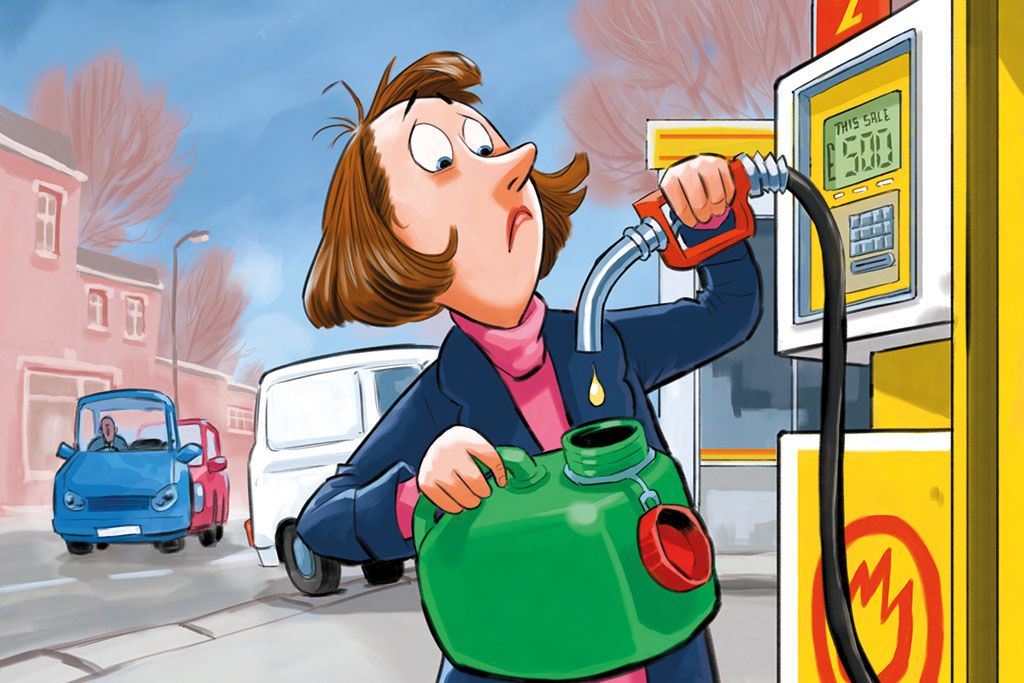
The recent escalations in the ongoing conflict involving the US and Israel against Iran have had profound repercussions worldwide. The military engagements led to the de facto closure of the critical Strait of Hormuz, a vital maritime passage for crude oil. This closure has sent shockwaves through financial markets, resulting in a soaring of oil and gas prices while stock markets have dipped. Big oil companies like Shell have notably thrived during this volatility, hitting record highs amidst the turmoil. On the other hand, consumer expectations for economic growth have dwindled, while inflation rates are on the rise. In the UK, for instance, fuel prices skyrocketed, mortgage providers acted swiftly to withdraw fixed-rate offers, and wholesale gas prices surged by two-thirds, effectively signaling an uptick in domestic bills to come.
Why is the Strait of Hormuz So Important?
The Strait of Hormuz is a vital artery for global energy supplies, situated in a region rich in hydrocarbons. This narrow body of water is crucial as it facilitates the exportation of oil from some of the world’s largest oil fields located in Saudi Arabia, Kuwait, and Iran. According to trade analysts, about 31% of the world’s crude oil traversed Hormuz last year, along with substantial percentages of global fertilizer and methanol supplies. Events in the region have led to dramatic fluctuations in oil prices—double-digit surges and falls often coinciding with new developments concerning the conflict, as even a statement from the US president can dramatically sway the market.
What About Gas?
Natural gas dynamics are also significantly impacted by the situation at the Strait of Hormuz. Nearly 24% of natural-gas liquids and 19% of liquefied natural gas (LNG) move through this crucial passage. For countries like the UK, where a strategic shift from domestic and Norwegian gas to higher imports from Qatar is underway, the current conflict creates additional concern. While petrol and diesel prices have crept up at the pumps, wholesale gas prices are rising sharply, signaling an impending increase in household and business expenditure. Moreover, this crisis has laid bare vulnerabilities in supply chains, with Qatar’s production of helium, a critical component for semiconductors, taking center stage amid the geopolitical upheaval.
Who Will Be Worst Affected?
The immediate fallout of this conflict is being felt most acutely in the Middle East, which is grappling not just with economic downturns but also with loss of life and destruction of communities. In previous conflicts, such as the 12-day war last summer, Israel’s economy suffered noticeably, with significant contractions observed. If the current military engagement turns out to be short-lived, it’s reasonable to forecast a similar economic contraction for both Israel and Gulf economies. Conversely, Iran may experience a GDP drop as severe as 10%. However, Asia—which relies heavily on oil imports from the Gulf—faces a greater risk. The region imports substantial percentages of its seaborne crude and LNG from the Gulf, representing a critical supply line that, if disrupted, could severely impact economic stability.
Will Global GDP Fall Due to the War on Iran?
While a decline in global GDP seems likely due to the heightened conflict, most economists predict that unless this war expands into a more extensive regional conflict leading to severe and prolonged disruptions to oil supplies, the downturn may be moderate. Estimates suggest a global economic slowdown of less than 1% in such a scenario. However, if the situation escalates into a more severe crisis and the Strait of Hormuz remains closed for an extended period, the global GDP could take a significant hit—potentially dropping by as much as 3%. The economic landscape today is markedly different from the oil crises of the 1970s; countries have generally become less oil-dependent, which could help mitigate the consequences of an oil-price spike.
How Long Might the War on Iran Last?
Forecasting the duration of the ongoing conflict can be challenging. Analysts are divided on how long hostilities may persist, with some suggesting it may last longer than many hope. Political motivations play a crucial role here; for example, while figures like Donald Trump may favor a quick conclusion to avoid political backlash from rising gas prices, the Iranian regime might have strategic incentives to prolong the conflict as a form of resistance. Notably, it is suggested that Iran may not need to defeat the U.S. militarily but instead aims to undermine its economic stability, particularly targeting U.S. investment markets.
What Should We Expect Next?
As the situation evolves, the impacts of the war will likely ripple through various sectors, much like previous international conflicts. Lessons from the Ukraine war illustrate that inflation often strikes first in the fuel sector before spreading to food and other consumer goods. Furthermore, China, as the predominant buyer of Iranian oil, may maneuver strategically in response to the crisis. Higher shipping costs are anticipated, compounding inflation across global markets. The potential for a significant downturn in bond markets exists, particularly due to the increasing quantity of shorter-term bonds held by price-sensitive investors. All these factors contribute to an increasingly precarious economic outlook, with many analysts warning of an unfolding crisis that could echo through both U.S. and global markets for some time to come.



