

The Evolving Role of AI in the Department of War
Every day across the Department of War, government employees and service members find themselves overwhelmed by administrative tasks. The deluge of emails, the constant need to distill complex information into executive summaries and PowerPoint slides, and the pressure to maintain productivity can feel relentless. While this administrative work is often necessary, it chips away at the precious resource we can never retrieve: time. Most would agree that time is better spent focusing on mission-critical duties, yet this challenge is exacerbated by dwindling manpower and resources.
The Rise of AI in Administrative Tasks
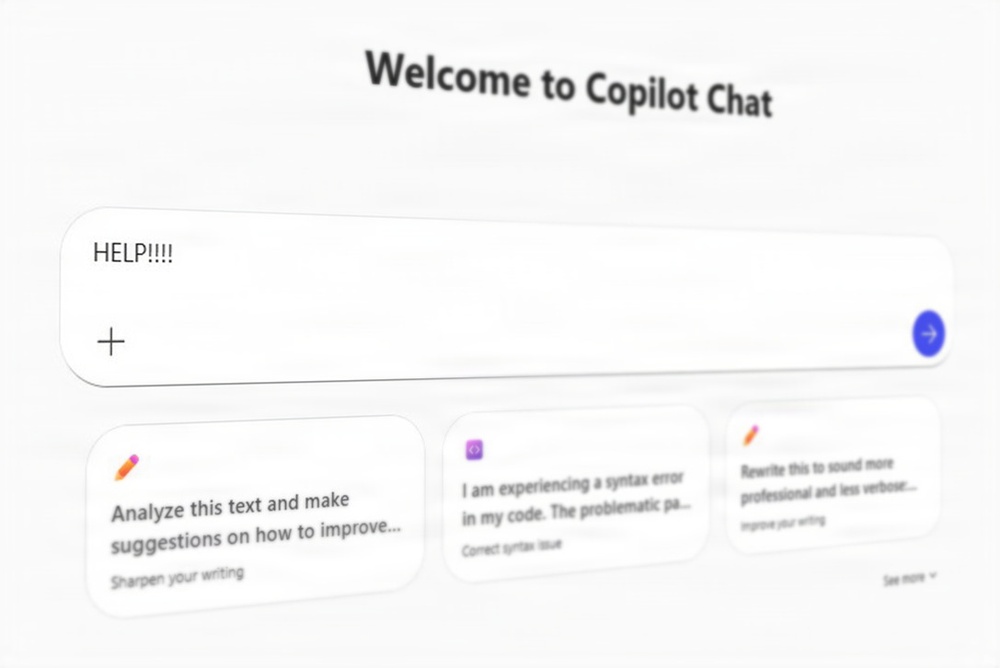
As a Department of the Army civilian who was fortunate enough to participate in the Army’s recent Microsoft Copilot Chat pilot, I’ve seen firsthand how artificial intelligence can add significant value to our daily tasks. Although I tend to favor practical solutions over being an early adopter of technological trends, I found myself impressed by the efficiency gains AI tools like Copilot can deliver.
AI can be a polarizing topic. Some people see it as a pathway to enhanced productivity, while others worry about its impact on job security. Still, there are those who resist using AI altogether, believing it to be a protest against an unstoppable trend. The reality is that AI tools are not going away; they will evolve, becoming more integral to our daily lives. Whether we embrace or resist change, it is clear: the ship has sailed.
Navigating Fears and Misconceptions
One predominant concern regarding AI is its potential to render some jobs obsolete. Understandably, there are valid worries about job security, especially as we see certain fields adversely affected by emerging technologies. Nevertheless, it’s essential to recognize that businesses and government agencies must adapt, finding ways to utilize AI for savings and efficiencies. The perspective from both organizational and societal viewpoints overwhelmingly favors the incorporation of AI tools.
Amidst fears of an impending AI apocalypse fueled by dystopian narratives from Hollywood, it’s worth reflecting on how past technological advancements — like the personal computer — initially met with skepticism. Who now fears using email or their desktop computer? The truth is that human adaptability has repeatedly proven resilient against innovation, and we are likely to continue this trend as we enter the AI age.
AI as a Productive Ally
Having used both GenAI and Copilot Chat, I view these tools not as replacements but as invaluable productivity allies. They can serve as tireless digital teammates, which is something I, like many others, desperately need. One standout aspect of Copilot is its integration within the Microsoft 365 ecosystem. The data is contained within individual accounts, ensuring privacy and security while streamlining workflow.
Copilot Chat excels at refining everyday information and data. Instead of sifting through lengthy email threads, policy documents, or blog-like Teams conversations, I can simply ask Copilot for a summary or the key points. It can turn rough notes and raw data into organized formats, such as Excel spreadsheets or timelines, allowing me to focus on nuances that require a human touch.
Streamlining Communication and Planning
When I need to draft a memo, info paper, or leader update, Copilot offers a clean starting point that I can polish into a final product. The time saved allows me to prioritize the substance and tone, ensuring effective communication. The tool aids in outlining communication plans, creating checklists, drafting meeting agendas, and summarizing meeting outcomes into actionable tasks.
In the fast-paced realm of public relations, immediacy is often crucial. AI tools can quickly stitch together existing templates with situational information, enabling us to spend only a few minutes polishing and reviewing for accuracy. This capability becomes invaluable, particularly during crises where time is of the essence.
Ideation and Knowledge Management
Beyond efficiency, AI serves as a fertile ground for brainstorming. It can stimulate new ideas or perspectives that may not have crossed my mind, creating fresh pathways for addressing complex problems. While I don’t always agree with its suggestions, the same can be said of discussions with human colleagues. The diversity in thought — whether from AI or individuals — can open avenues previously unconsidered.
Sifting through vast repositories of Department of War, Army regulations, and U.S. laws is another area where AI shines. In a climate where having extensive knowledge is expected but nearly impossible, AI assists in delivering quick references. However, due diligence is still necessary; users must verify that the sources cited are correct. Instances of AI errors are few but can occur, making the human element indispensable for accuracy.
The Imperative for Human Involvement
It’s crucial to remember that while AI tools are profound, they don’t provide a complete solution. I think of the outputs as structured first drafts, requiring a user’s insight for refinement, fact-checking, and ensuring the intended tone matches the context. AI does well in assembling information but cannot replace the wisdom acquired from years of experience or the nuanced relationships built through human interaction.
Ultimately, AI can eliminate repetitive, low-value tasks that hinder productivity, allowing professionals to engage in higher-value activities. Embracing these tools equates to offloading mundane tasks, amplifying our talents, and focusing on what truly matters in our roles.
As Secretary of War Pete Hegseth aptly stated in a recent memo, “AI should be in your battle rhythm every single day. It should be your teammate. By mastering this tool, we will outpace our adversaries. The power is now in your hands.” This sentiment captures the urgency and relevance of adopting AI to enhance our work in the Department of War.



