

Embracing AI in Education: A New Paradigm at Gainesville High School
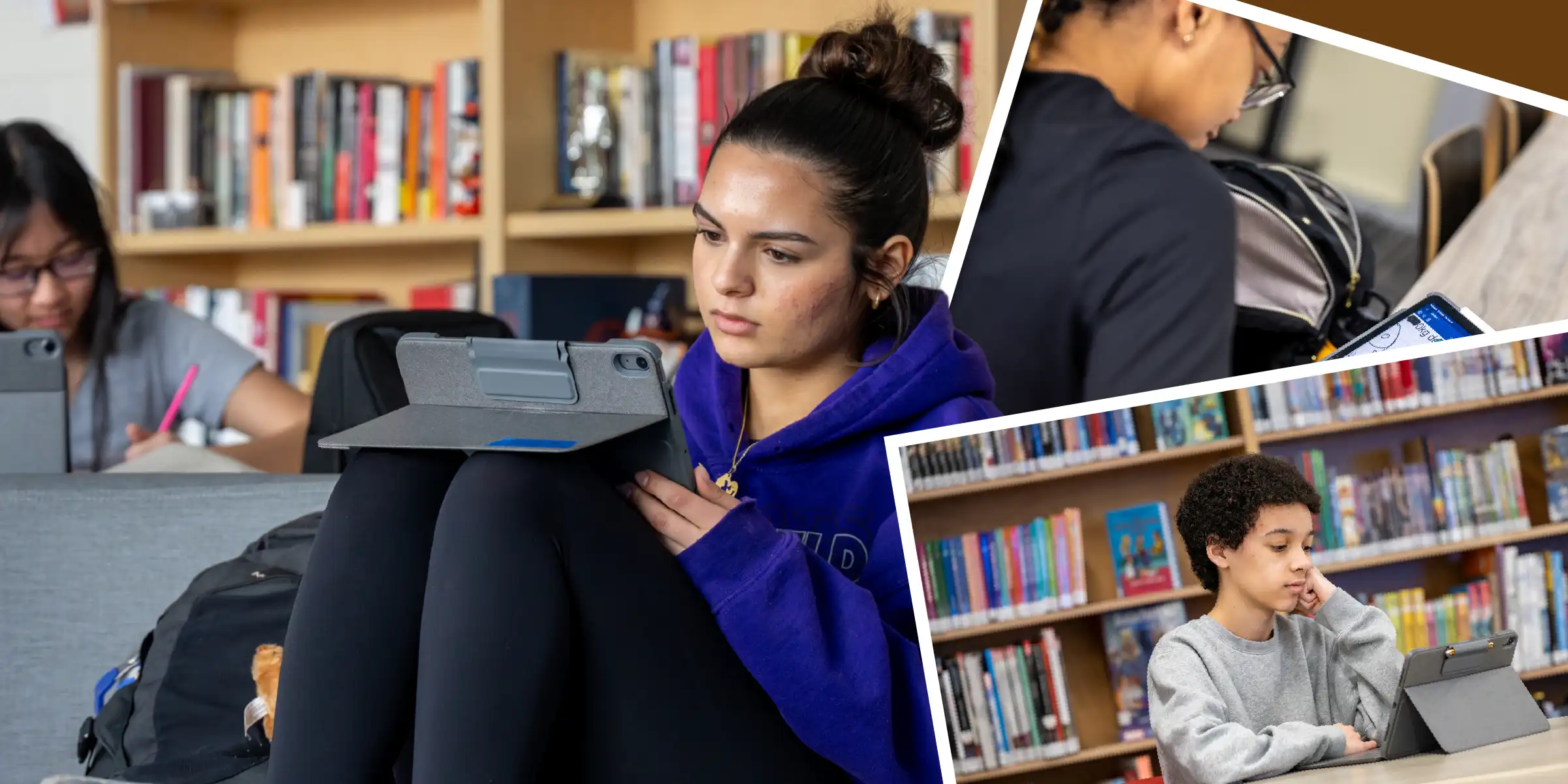
Recently, a remarkable lesson unfolded in the Gainesville High School library, where students had the opportunity to dive deep into the world of artificial intelligence (AI) as a supportive educational tool. Librarians Tripp Ennis and Jackie Krutchen spearheaded this initiative, emphasizing the importance of human critical thinking while exploring the capabilities of AI. The library, long a bastion of inquiry and knowledge, continues to adapt to modern learning needs without compromising the intrinsic values of education.
The Foundation: Human Thinking Before Technology
Before introducing any technological tools, Ennis and Krutchen prioritized a crucial lesson: thinking precedes technology. Students were first organized into pairs and small groups to brainstorm and share what they already knew about their research topics. This collaborative process allowed them to articulate their ideas, gain different perspectives, and enhance their understanding through peer interaction.
“Starting this way helps students see that learning begins with people, not computers,” Krutchen noted, highlighting the importance of community and dialogue in education. The librarians understood that establishing this foundation would bolster students’ confidence and readiness to engage with AI tools effectively.
Introducing Microsoft Copilot: A Guided Approach
Once students had developed their ideas, they were introduced to Microsoft Copilot, an AI tool aimed at enriching their learning experience. However, the librarians took a cautious approach. The use of AI was limited and guided, focusing on helping students discover more effective vocabulary and generate additional search terms—common hurdles in academic research.
Students quickly realized that the suggestions offered by Copilot often aligned closely with their initial thoughts. This integration of technology appeared not as a crutch, but as a supportive scaffold that enhanced their research. One student remarked, “It helped me come up with more search words than I would’ve thought of on my own,” underscoring the tool’s role in expanding their cognitive horizons.
Encouraging Critical Evaluation of AI Outputs
While AI can provide valuable support, the librarians were firm about the importance of critical evaluation. Throughout the lesson, they reminded students that AI-generated responses should not be passed off as gospel truth. Just as one scrutinizes sources found in books or articles, evaluating AI information is equally critical.
“Just because something sounds confident doesn’t mean it’s correct,” Krutchen cautioned. This was a vital takeaway, reinforcing the idea that discernment and skepticism are essential skills in a world awash with information, AI-generated or otherwise.
The Value of Collaboration versus AI Support
As students worked with both AI and their peers, they began to reflect on the different experiences each offered. Many described AI as a quick solution to finding information, but working collaboratively felt far more meaningful.
“People bring ideas and perspectives that technology can’t,” a student articulated, emphasizing the irreplaceable value of human interaction. This sentiment echoed throughout the room—while AI can assist in organizing thoughts or suggesting research paths, it cannot replicate the depth of collaboration and creativity that occurs through peer discussions.
Understanding the Limits of AI
A significant aspect of the librarians’ lesson was a candid discussion about the limitations of AI. While tools like Copilot can streamline certain aspects of research, Ennis made it clear that over-reliance can stifle original thought. The message was clear: technology should never overshadow human creativity and inquiry.
To keep the focus on learning, students were not permitted to use AI for sourcing materials or completing research outright. Instead, AI’s role was to bridge the gap between brainstorming and conducting thorough research by helping students articulate better questions and clarifying their topics.
Online Safety and Responsible Use of Technology
In addition to exploring the educational aspects of AI, the librarians underscored the importance of online safety. Students were reminded about the importance of not sharing personal information and the necessity of seeking help if they encounter anything that feels inappropriate or alarming in their digital journeys.
“Our goal isn’t for students to depend on AI,” Krutchen stated. “It’s for them to understand how it works, where it can help, and where it falls short.” This guidance is essential in an age where technology plays an increasingly dominant role in daily life.
Fostering Curiosity in Learning
By the end of the session, students walked away with a powerful realization: their ideas matter immensely. Although technology can significantly aid learning, it should never replace the foundational elements of curiosity, discussion, and critical thought. When used judiciously and in conjunction with traditional methods, AI can be a valuable addition to the educational toolkit, keeping students’ imagination and inquiry front and center.
Through this thoughtful approach to incorporating AI, Gainesville High School is setting a compelling example of how educational institutions can evolve while maintaining the core values that inspire deep thinking and sustained learning.



