

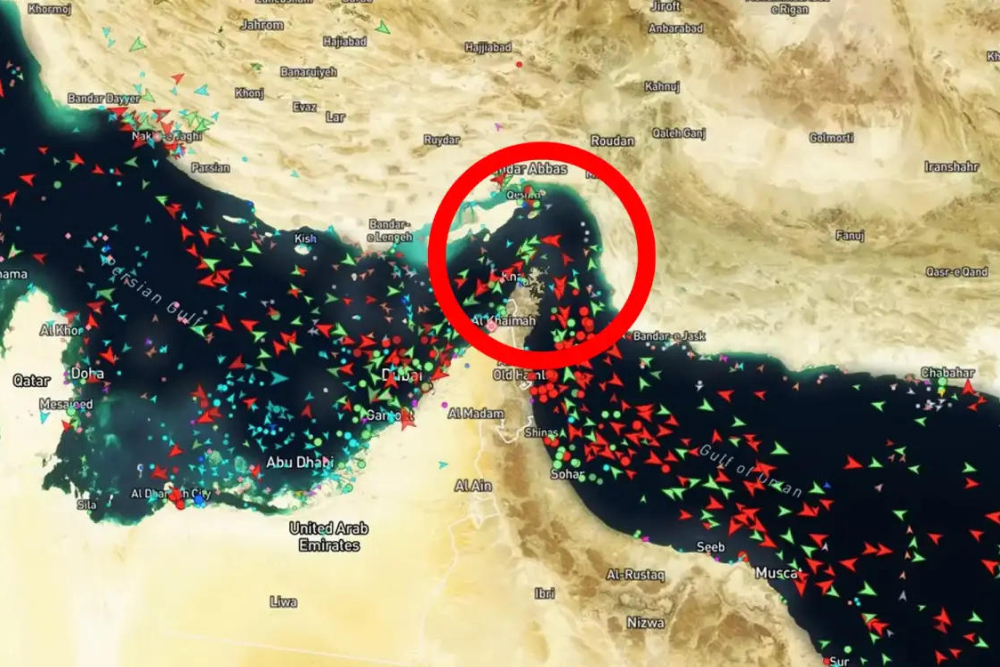
The Crisis in the Strait of Hormuz: A Strategic Chokepoint for Global Supply Chains
Recent geopolitical developments in the Strait of Hormuz have thrust this critical waterway back into the global economic spotlight. The strait, long established as a lifeline for oil transit, is now characterized as a pivotal chokepoint for essential raw materials amid the escalating conflict between a US-Israeli coalition and Iran. This raising dynamism in the region has not only caused ripples in the energy sector but has also created significant disruptions in the supply chains for various crucial minerals and chemicals.
The Surge in Sulfur Prices: A Reflection of Instability
One of the most alarming indicators of this crisis is the dramatic rise in sulfur prices—a commodity essential to various industries. Before February 28, the price per ton hovered around $500. It has since soared to approximately $900, marking an increase of nearly 80%. This price spike raises considerable concerns about potential shortages and ongoing access to raw materials. Sulfur is indispensable to metal extraction and processing, particularly nickel; producing one ton of nickel requires between 8 and 10 tons of sulfur. Given that nickel is vital for electric vehicle battery manufacturing, the implications of supply disruptions are profound.
Geopolitical Risks and Domestic Production
The geopolitical landscape of the Middle East contributes significantly to the heightened supply chain risks. Notably, Saudi Arabia leads the region with an annual sulfur output of about 7.2 million tons, followed by the United Arab Emirates (6.3 million tons) and Iran (2.5 million tons). Smaller producers like Kuwait and Qatar also contribute significant amounts, with respective outputs of 1.3 million and 3.1 million tons. The concentration of sulfur production in a politically volatile region accentuates the vulnerability of global supply chains, effectively intertwining economic stability with geopolitical tensions.
Strategic Role Beyond Sulfur: The Broader Impact on Raw Materials
While sulfur is a glaring example of the crisis, the Strait of Hormuz is integral to the production and supply of several other strategic materials. Notably, about 9% of the world’s primary aluminum is produced in the Middle East, crucial for sectors such as construction, automotive, and aerospace. Any disruptions in the transportation routes could cascade into broader global aluminum shortages, affecting prices and availability.
Additionally, the South Pars gas field, shared between Iran and Qatar, serves as a major helium source, providing one-third of the world’s helium needs. Helium is critical for advanced technologies, including medical devices, semiconductors, and space exploration. Disruptions in helium production or export could have multifaceted global impacts, affecting industries that rely heavily on this unique gas.
The Compound Effects on Global Supply Chains and Inflation
Presently, the tumult in the Strait of Hormuz has created a convergence of crises affecting various supply chains—from energy to metals and advanced materials. The overlapping of these issues could lead to compounding global economic effects, notably increased inflationary pressures. Industries reliant on these raw materials, including automotive, electronics, and renewable energy sectors, may face heightened costs, leading to delays and stifled innovation.
Implications for Vulnerable Industries
Industries dependent on raw materials are particularly susceptible to the turmoil in the Strait of Hormuz. Not only do rising prices hike production costs, but they can also delay critical industrial projects. In an age where technological innovation is paramount, any deceleration in progress could resonate across multiple sectors, potentially setting back advancements in clean energy and other key technologies.
A Shift in Global Crisis Dynamics
The ongoing situation in the Strait of Hormuz signals a new paradigm in global crises. This region is no longer merely a passage for oil; it has transformed into one of the most sensitive chokepoints for essential raw materials worldwide. The persistence of instability—rooted in the aggressive actions of the US and Israeli forces against Iran—could dramatically reshape market dynamics and expose the global economy’s heavy reliance on this strategically significant waterway. Understanding these complexities is crucial as the world navigates the challenges ahead.



