

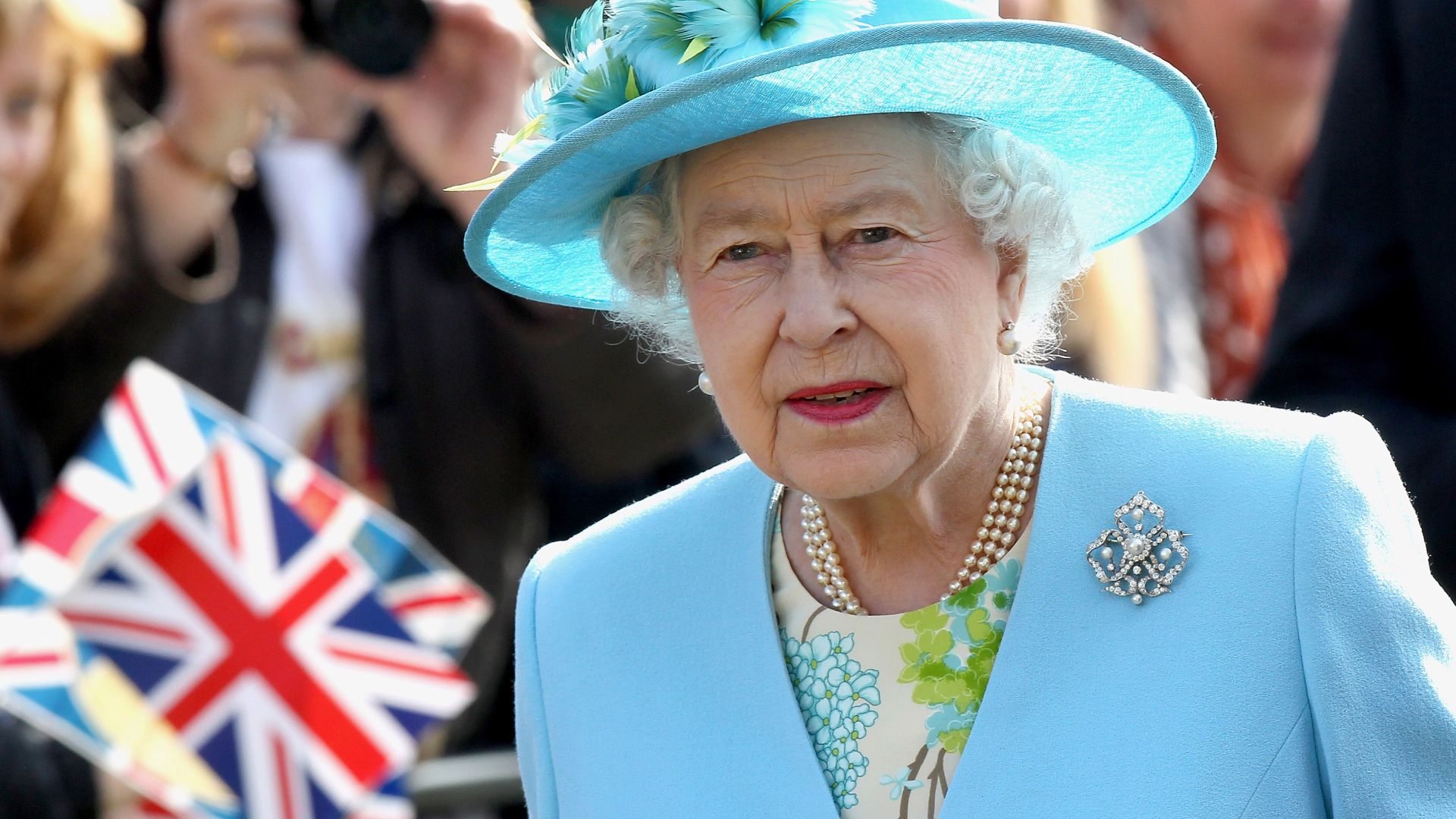
Queen Elizabeth II and King Charles: An Intriguing Family Dynamic
In the royal spotlight, few relationships are as captivating as that between Queen Elizabeth II and her eldest son, King Charles. While Charles has ascended to the throne, it’s fascinating to examine the complexities and peculiarities that shaped their relationship—especially Elizabeth’s views on his lifestyle and responsibilities.
A Legacy of Frugality
Despite her status as the Queen of England, Elizabeth II was known to lead a surprisingly frugal life. According to royal insiders, she often eschewed extravagance in favor of practicality. Even though she had access to the finest luxuries as a monarch, there was an emphasis on simplicity that permeated her day-to-day life. This frugality was a reflection of her upbringing, which instilled in her a recognition of the importance of resourcefulness, especially during the war years.
A royal author noted that the late monarch expressed concerns about the "pampered lifestyle" of her children, particularly Charles. Evidently, she struggled to grasp the excesses associated with royal life, which contradicted her own values.
The Peculiarities of King Charles
As the firstborn son, King Charles had all the privileges that came with royalty. However, these privileges also drew a veil of disconnection from reality. Royal expert Ingrid Seward revealed how Charles’s royal upbringing influenced his behaviors. He is known for being meticulous in his approach to everything, insisting that tasks are done "correctly," which could sometimes come off as demanding or unrealistic.
For instance, Seward described how when Charles’s childhood teddy bear required mending, he would send it to a couturier for repair, expecting rapid service. This may seem like a benign quirk, but it illustrates his intricate relationship with his history and the pressures of royal expectations.
Understanding a Son’s Life
Interestingly, Queen Elizabeth was far from oblivious to the traits that characterized her son. Seward emphasized that Elizabeth had a profound understanding of Charles’s strengths and weaknesses. While she may not have agreed with his lifestyle choices, she recognized his nature and the complexities of his upbringing.
The Queen was aware of the emotional challenges posed by being constantly "deferred to." Being the monarch, she understood that this lifestyle, while filled with privilege, could stifle personal growth and empathy. She even anticipated his inevitable marriage to Camilla, indicating her acute awareness of his personal life long before it became public.
Balancing Tradition and Modernity
Queen Elizabeth’s perspective on the royal family reflected a delicate balance between tradition and modernity. It’s no secret that she held traditional values, but her insights often pointed toward a more adaptive approach to the monarchy’s evolution in modern society. This was particularly evident in her approach to Charles and Camilla, where she recognized the need for acceptance rather than maintaining the façade of disapproval.
A Complex Relationship
The relationship between Charles and his mother remains a testament to familial complexities within the royal family. While Formally the Queen, Elizabeth navigated her role not just as a leader but as a mother, fostering a nuanced understanding of the pressures and personal struggles faced by her son.
Despite their occasional disagreements, it appears that Elizabeth’s wisdom and understanding subtly guided Charles as he stepped into his longstanding role as King. Understanding and empathy, even when cloaked in traditional royal decorum, can transform familial bonds into powerful conduits of change, showcasing a unique relationship that continues to evolve with time.
Queen Elizabeth II and King Charles may have diverged in perspectives on lifestyle and duty, yet their connection underscores the eternal complexities of family ties, especially when bound by the weight of a royal legacy.



