

Detecting Pancreatic Cancer Early: The Role of Artificial Intelligence
By the time pancreatic cancer is diagnosed, treatment options often dwindle and prognosis becomes grim. With a five-year survival rate hovering around 13%, pancreatic cancer is increasingly recognized as a leading cause of cancer deaths, projected to be the second most lethal by 2030. Traditional screening methods for this disease are nearly non-existent, leaving many patients at the mercy of late-stage diagnosis where effective intervention is a challenge. However, recent advancements in artificial intelligence (AI) are paving a new path toward early detection.
The Breakthrough Study
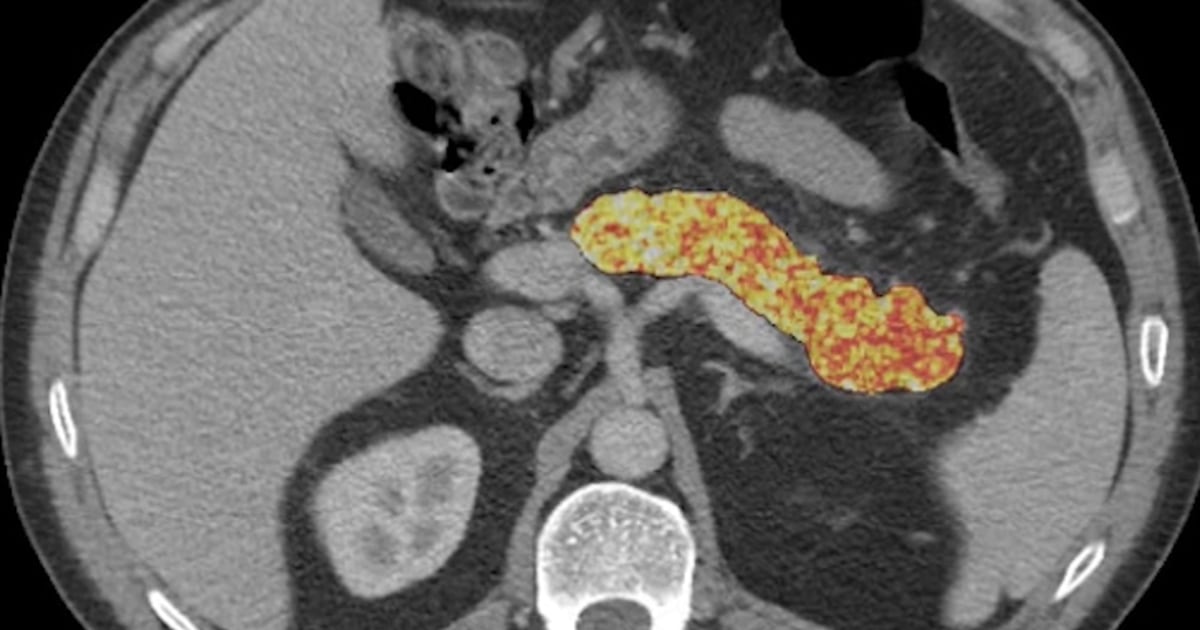
A groundbreaking study conducted at the Mayo Clinic in Rochester, Minnesota, revealed that an AI model could identify abnormalities in patients’ CT scans up to three years prior to a formal diagnosis of pancreatic cancer. The research, recently published in the journal Gut, marks a significant leap in understanding the biological signals of the disease, which often manifest well before overt symptoms develop.
Methodology of the AI Model
To train the AI model, scientists analyzed CT scans from patients who had originally been screened for unrelated medical conditions and later diagnosed with pancreatic cancer. These scans underwent evaluation by radiologists, who compared their ability to identify early cancer signs against that of the AI model. Remarkably, the AI outperformed human radiologists by three-fold in recognizing subtle indicators of early cancer.
Dr. Ajit Goenka, a radiologist at the Mayo Clinic and one of the study’s authors, highlighted that the biological nature of pancreatic cancer usually leads to its gradual development over time. It was this understanding that guided researchers in developing an AI model capable of detecting early indicators of the disease.
The Unique Challenges of Detection
One of the critical barriers in diagnosing pancreatic cancer is that routine screening methods, like those available for breast or colon cancer, are absent. Typical symptoms such as abdominal pain or sudden weight loss often emerge only after the cancer has already progressed to advanced stages. Furthermore, early markers of pancreatic cancer can be subtle, making them difficult for healthcare professionals to discern on scans. Most patients’ scans may even appear normal just six months prior to an actual diagnosis.
Dr. Daniel Jeong, a diagnostic radiologist at Moffitt Cancer Center in Tampa, Florida, who wasn’t involved in the Mayo Clinic’s research, explained that radiologists typically focus on measurable masses, which only become visible after the tumors have grown.
The Importance of Abnormal Cell Detection
The AI model showed promise in detecting abnormal cells within the pancreas that shield cancer from the body’s immune system. These cells, while known to exist, have historically presented challenges in visualization. The ability of the AI to pinpoint these precursors may revolutionize how doctors interpret scans, especially for high-risk individuals—those with a family history or pre-existing conditions like diabetes—who show no symptoms.
Dr. Goenka emphasized that this technology could enhance early detection efforts, allowing for proactive measures like additional blood tests and imaging for individuals fitting these criteria.
Recent Advances in Pancreatic Cancer Research
The AI model represents just one of several exciting advancements in the realm of pancreatic cancer research. Recent trials have demonstrated promising results for an mRNA vaccine, showcasing its efficacy in prolonging survival in patients. Similarly, a novel drug named daraxonrasib has been shown to double the life expectancy of some patients in later-stage trials, with the FDA permitting expanded access to this treatment.
Researchers are also investigating advanced blood tests aimed at revealing markers characteristic of the disease. Dr. Tamas Gonda, who heads the pancreatic disease program at NYU Langone’s Perlmutter Cancer Center, stated that while significant strides are being made, the battle against pancreatic cancer remains ongoing.
The Road Ahead
The integration of AI in identifying early signs of pancreatic cancer could significantly change the landscape of treatment options. By catching the disease before it metastasizes, more patients may become eligible for surgery, chemotherapy, or radiation therapy, leading to better outcomes. Dr. Pam Hodul, a surgical oncologist at Moffitt Cancer Center, noted, "This really could be a game changer for us for early detection."
Despite the enthusiasm surrounding these findings, Dr. Goenka warned that the journey to make this technology publicly accessible may take time. Ongoing clinical trials will track participants for three to five years to ascertain the model’s long-term efficacy in cancer detection.
In a field where advancements in care have been slow, the potential of AI in early detection illuminates a path toward significantly improving survival rates. As Dr. Goenka put it, “In a disease where we have been just wandering in darkness for decades, this is a milestone that shows us the finish line, but we still have to get to the finish line.”



