

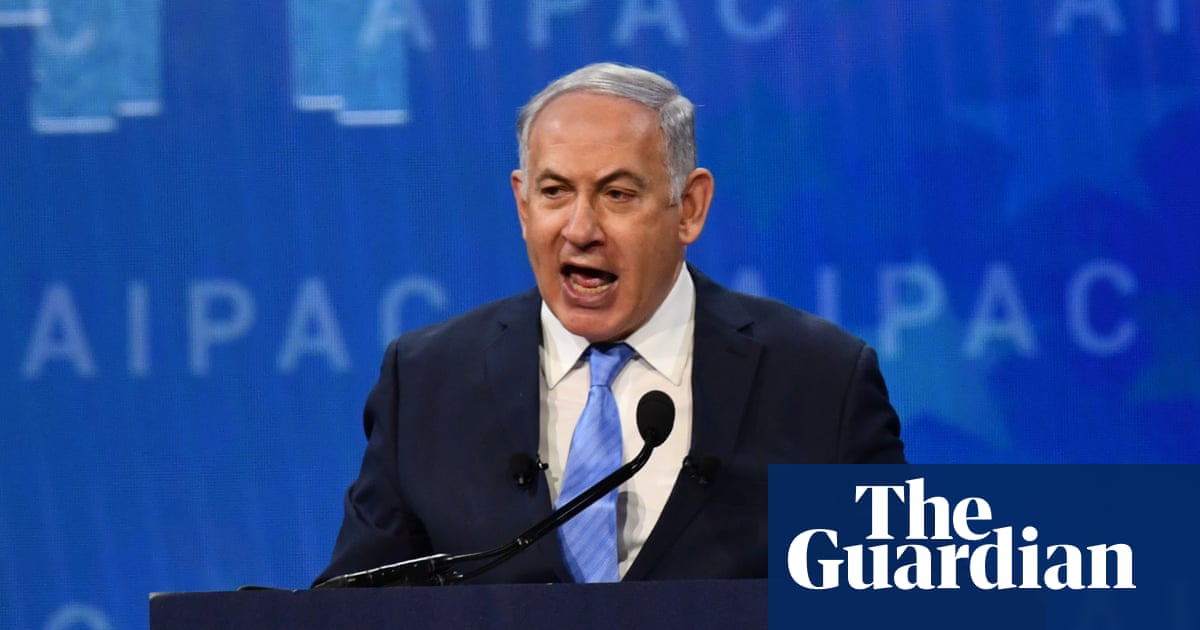
AIPAC’s Influence in Chicago’s Democratic Primaries
The Democratic congressional primaries in and around Chicago have emerged as a focal point of significant intrigue and financial maneuvering, particularly in relation to the role of the Israel Public Affairs Committee (AIPAC). With four key primaries at stake, AIPAC’s financial influence raises essential questions about transparency and the shifting allegiances within the Democratic Party.
AIPAC’s Financial Footprint
According to reports from WBEZ, Chicago’s public radio station, AIPAC and its affiliated political action committees have channelled at least $13.7 million into these Illinois races. This substantial financial backing comes from two Super PACs named "Elect Chicago Women" and "Affordable Chicago Now," which have notably avoided any direct references to Israel in their campaign advertisements. This strategy suggests an attempt to distance the direct connection between these funds and AIPAC, an organization that has faced increasing scrutiny amid changing public opinions concerning Israel.
The Donor Network
In a conspicuous pattern, Federal Election Commission (FEC) records revealed a web of donors previously linked to AIPAC who have contributed to various Democratic candidates, such as Cook County Commissioner Donna Miller and former Congresswoman Melissa Bean. Notably, there were 237 individuals who donated to both Miller and Bean, while 65 of the same group extended their support to State Senator Laura Fine as well. Such coordinated financial support raises questions regarding the potential influence of a consolidated donor network, especially when donations poured in from identical sources on the same date and for the same amounts.
The Shift in Public Sentiment
A key element in this evolving electoral landscape is a palpable shift among Democratic voters. Polls indicate a rising sympathy towards Palestinian perspectives, alongside increasing backlash against unconditional support for Israel—demographics these Super PACs are desperate to navigate without alienating potential voters. Political analyst David Axelrod emphasized that if voters perceive AIPAC’s involvement too starkly, they could potentially revolt against the intended beneficiaries of that funding.
The Implicit Risks for Candidates
In districts like Illinois’ ninth, which has long supported a Jewish Democrat, AIPAC’s strategy faces potential backlash. The organization has begun targeting candidates like Daniel Biss, who holds a nuanced stance on Israel and military aid. Strategies that might have once been effective no longer seem as viable. Attacks labeling Biss as a "phony progressive" could ironically catalyze support for challengers further to the left, such as Palestinian-American candidate Kat Abughazaleh.
The New Jersey Special Election as a Case Study
The New Jersey special election in February serves as a cautionary tale for AIPAC’s tactics. Their attempt to unseat moderate candidate Tom Malinowski by spending heavily against him resulted in the election of a progressive challenger less favorable to AIPAC’s agenda. This PR misstep may serve as a template for how AIPAC-affiliated strategies could backfire in Illinois, leading to unintended electoral consequences.
The Broader Political Context
AIPAC’s overarching narrative is bolstered by its historical foundation and its aim to ensure bipartisan support for Israel. However, as the political dynamics shift, particularly with progressive voices gaining prominence within the Democratic Party, AIPAC risks being seen as an outdated force.
Political candidates like Fine, Bean, and Miller now find themselves in a delicate balancing act, attempting to maintain AIPAC’s financial backing while also recognizing the changing sentiments of their constituents. It’s a treacherous terrain marked by the looming threat of backfiring ad campaigns and the potential emergence of new progressive leadership that may directly counter AIPAC’s agenda.
Diverse Funding Streams in Other Races
The reach of AIPAC extends beyond the contested congressional races. The upcoming Senate race to fill Dick Durbin’s seat is witnessing similar patterns, indicating that the group’s influence is not limited to the House. At least 27 AIPAC donors are publicly backing Democratic Lieutenant Governor Juliana Stratton, even as AIPAC has officially endorsed her opponent, Raja Krishnamoorthi.
The Dilemma of Aligning with AIPAC
As some candidates attempt to reconcile their support for Israel with current public opinion on military issues, the question becomes increasingly pertinent: how can they align themselves with AIPAC without isolating a growing segment of their voter base that is calling for more measured, compassionate policies toward the Israeli-Palestinian conflict?
This question is placed under the spotlight as candidates attempt to navigate the complex currents of public opinion and donor expectations, ultimately reshaping the dialogue surrounding U.S. support for Israel in ways previously unimagined.
Strategic Impacts on Future Elections
The unfolding situation in Illinois serves as a valuable case study of not just the electoral tactics at play but also the broader implications for AIPAC’s influence in future elections. With a rising tide of progressive candidates espousing different narratives around U.S. foreign policy, the challenges faced by traditional pro-Israel groups appear only to be intensifying.
As candidates and AIPAC grapple with these evolving dynamics, the outcome of the Chicago primaries could signal a larger trend in American politics—and lay down the framework for how lobby groups like AIPAC might need to adapt in an increasingly progressive Democratic landscape.



