

Social Connections at the Animal Humane Society
At the heart of the Animal Humane Society’s mission lies a unique program called "Coffee & Companions." Rachael Dashiell, the community program manager, aptly describes it as a haven for individuals seeking genuine social connection, especially within the often chaotic environment of a shelter. "We provide a place where people can come together and hopefully fill up their cups with genuine social connection," she shares. Despite the organization’s best efforts to create a welcoming space, the shelter environment can be stressful for animals, filled with unfamiliar smells and sounds.
The Impact of Calm Interactions
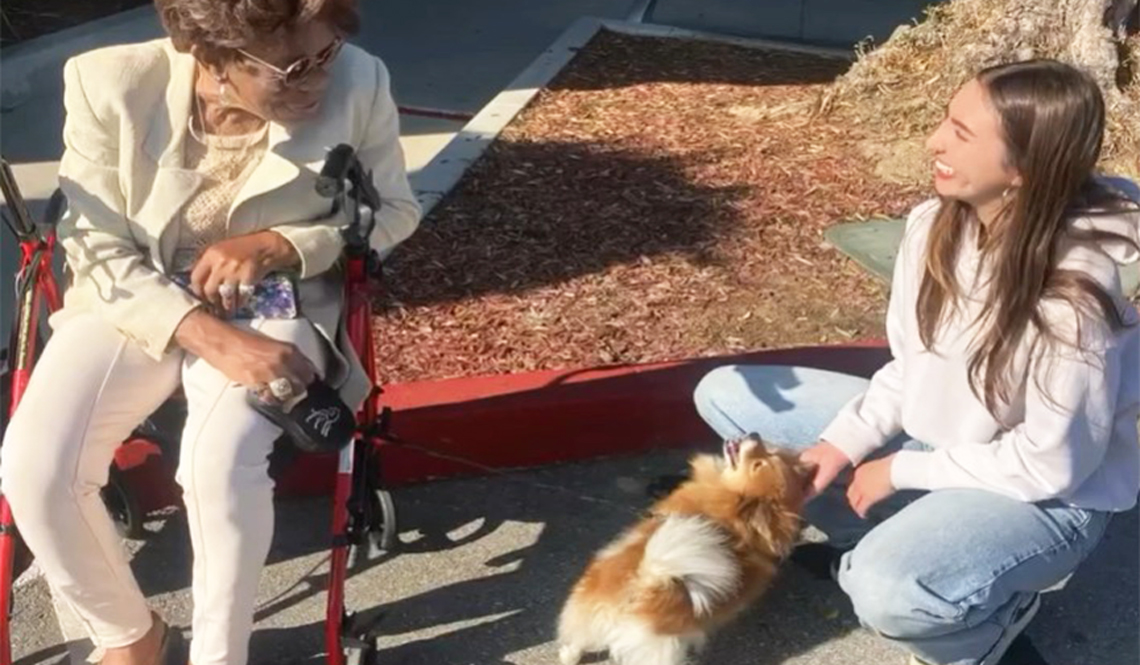
One remarkable aspect of this initiative is the calming energy that volunteers and visitors bring to the shelter. "They hold and play with the animals and take dogs for walks," Dashiell explains. Such interactions significantly help animals learn to trust people and alleviate fears they may have developed from past experiences. The impact is two-fold; as these furry companions benefit from the affection, human participants also find solace and joy.
Stories of Connection
Lisa Brumm, a retired educator and a devoted animal lover, reflects on how the Coffee & Companions program fulfills her desire for community. Having adopted two dogs from the shelter, Brumm finds that her involvement allows her to connect with like-minded individuals, thereby combating feelings of isolation. “Coffee & Companions fits right in that pocket of, ‘How do I feel connected to others, less alone?’” she notes, showcasing how this initiative fosters not just animal welfare but also human connection.
Linda Geldert, another devoted participant, provides a touching narrative of her own healing journey through involvement with Coffee & Companions. After losing her husband in 2022, Geldert sought activities that could uplift her spirit. The program had special significance for her, as she and her husband had participated in fundraising events for the shelter even in their youth. “We never had kids, so our cats were like our kids,” she reminisces, revealing how deeply pets can embed themselves in our lives.
Finding Solace in Furry Company
For Geldert, her visits often center around engaging with the first cat she meets, sharing a moment of mutual understanding. “A cat will climb into my lap, and I spend my time sitting there and talking to it and petting it,” she shares. The connection becomes a therapeutic experience—both for her and the animals she interacts with. More than once, she has witnessed her feline companions find new homes shortly after their time spent together, proudly asserting, “I will actually say to the cats, ‘I know, you’re going to find a new home really soon and you’re going to have a wonderful new life.’ And then they do!”
Serving Older Adults and Their Pets in Ohio
The Animal Humane Society in Ohio also extends its community service through the initiative of delivering vaccines and pet food directly to residents aged 55 and over. Partnering with the local aging services agency, SourcePoint, the Humane Society seeks to meet the needs of older adults who may struggle to care for their pets due to financial constraints or mobility challenges.
Bridging the Gap
As Karen Pillion, the nutrition program administrator at SourcePoint, explains, “Rather than having our clients feed their Meals on Wheels food to their pets, we provide them with pet food assistance.” This thoughtful approach recognizes the essential bond between pet owners and their furry companions. Maintaining this connection is crucial for enhancing the mental well-being of older adults, helping them to maintain a fulfilling life at home. SourcePoint’s success has garnered attention, making them a mentor to other Meals on Wheels programs across the nation.
A Mobile Veterinary Clinic in Vermont
In Vermont, pet care takes on a new dimension with the introduction of The Mitzvah Fund’s mobile veterinary clinic. This innovative setup brings essential veterinary services to those who need them most, particularly low-income seniors and veterans. Deborah Glottmann, a co-founder of the Mitzvah Fund, explains the comprehensive approach of the service: “We see the pets for an initial appointment during which we do an exam, bloodwork, X-rays, and an ultrasound.” This ensures that animals receive all necessary medical attention while allowing their owners to avoid the stress of financial burden.
Caring for Both Pets and Owners
This program’s commitment to service is evident as pets typically return multiple times for ongoing care. Every case is treated with the utmost compassion, acknowledging the deep emotional connections that exist between pets and their owners. Glottmann adds, “Many of the animals we see need a second anesthetic event for more teeth out or another mass removed.”
Through stories shared by grateful clients, the impact of the Mitzvah Fund becomes clear. As Steve Finner, an elderly caretaker of a 15-year-old cat named Mitzi, states, “Without their help, Mitzi would not be alive.” Similarly, Margaret Snelgrove emphasizes the transformative role her Chihuahua Grayson plays in her life, highlighting how vital companion animals can be to older adults living alone.
Pets as Medicine
The evidence supporting the physical and psychological benefits of pet ownership is extensive, especially for older adults. According to Pillion, pets provide critical social interactions that alleviate feelings of isolation and anxiety, ultimately improving quality of life. “They help decrease the negative consequences of social isolation that include anxiety, depression, cardiovascular disease, cognitive decline, a lower quality of life and an increased use of health care services,” she explains.
When communities come together to support their furry friends and their humans, everyone wins, fostering a network of love, compassion, and connection.



