

India’s Economic Transformation: A Vision for $26 Trillion by 2047
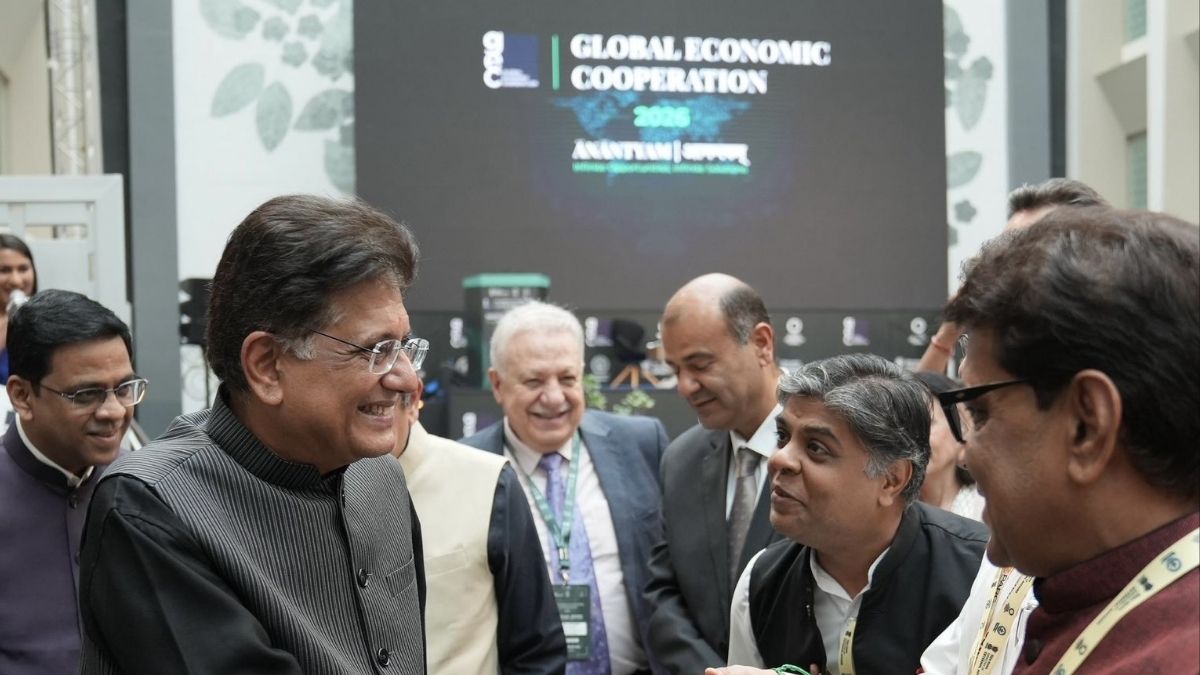
Recently, Union Commerce and Industry Minister Piyush Goyal made waves at the Global Economic Cooperation (GEC) 2026 conference held in Mumbai, unveiling an ambitious projection: India could contribute an astonishing $26 trillion to the world economy by the year 2047. This forecast represents a historic scale of growth, poised to elevate India from its current status as the world’s fourth-largest economy to a third-place holder by 2027-28, and ultimately, to a developed nation boasting a GDP between $30 to $35 trillion.
From ‘Fragile Five’ to Trusted Growth Engine
Goyal’s statements reflect a robust transformation over the past decade. Once categorized among the “Fragile Five,” a group of emerging markets deemed susceptible to external shocks, India’s economic landscape has dramatically shifted. The minister emphasized that today, India stands as a beacon of stability, growth, and trust. This evolution is based on a foundation of macroeconomic discipline, a stable political environment, and significant structural reforms.
"The era of economic isolation is over," Goyal asserted, highlighting how India has transitioned to a more proactive role on the global stage. By fostering collaborations, deepening international friendships, and negotiating trade agreements from a position of strength, India is actively reshaping its economic narrative.
Free Trade Agreements: A Strategic Initiative
A pivotal aspect of this transformative journey lies in India’s recent flurry of Free Trade Agreements (FTAs). Since 2022, the country has signed nine FTAs in just four years, establishing arrangements with 39 developed nations. For India, each FTA represents not merely a trade pact but an "invitation to partner in India’s future." Goyal emphasized that these agreements are designed to create mutual benefits rather than one-sided concessions, signifying a paradigm shift in India’s trade strategy.
Safeguarding National Interests: A Balanced Approach
Goyal also underscored India’s commitment to safeguarding its sensitive sectors while simultaneously unlocking new markets. He assured that farmers’ interests remain fully protected in these agreements. This dual approach is crucial for ensuring that initiatives do not inadvertently harm domestic producers.
Furthermore, these FTAs are tailored to facilitate the growth of Micro, Small, and Medium Enterprises (MSMEs), protect the livelihood of fishermen, and preserve domestic employment. With a focus on securing better market access for key industries such as textiles, footwear, and leather, the agreements also aim to enhance opportunities for pharmaceuticals, agriculture, and marine exports.
Fostering Technological and Investment Flows
Another vital benefit of these increasing partnerships is the inflow of technology and investments into India. Goyal highlighted that partner nations appreciate the Indian government’s "honest and transparent" approach, which not only reinforces trust but also underscores the strategic intent behind each negotiation.
The Greater Economic Cooperation aims to foster a more interconnected global economy, where India positions itself as a robust partner, taking on a larger role in international trade dynamics.
The GEC 2026 Conference: A Platform for Dialogue
The GEC 2026 conference, organized by the Future Economic Cooperation Council in collaboration with the Ministry of External Affairs and the Maharashtra government, served as a crucial platform for discussing these transformative policies. The event brought together various stakeholders to deliberate on pathways for future economic cooperation, underscoring India’s intent to emerge as a key player on the global economic stage.
A Future of Unprecedented Growth
India’s trajectory toward being a $26 trillion economic powerhouse by 2047 is more than just a vision; it represents the culmination of strategic planning, inclusive policies, and an unwavering commitment to progress. As the nation embarks on this ambitious journey, the focus remains on creating a sustainable model of growth that benefits all segments of society while reaffirming its role as a dependable partner in global economic cooperation.
Through resilience and innovation, India is not just preparing for a promising future but is also re-establishing itself as a dynamic engine of growth in the global economy.



