

The Rise of A.I. Home Intruder Pranks: A Contemporary Concern
Understanding the Phenomenon
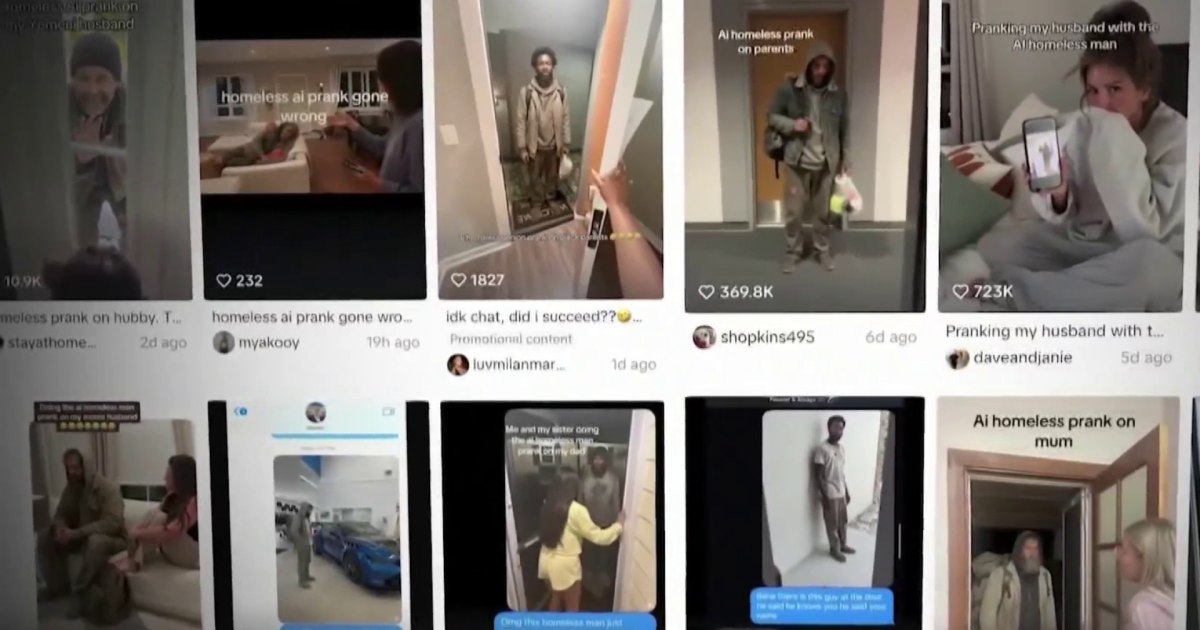
In recent weeks, a peculiar trend has emerged on social media—A.I. generated videos depicting fake home intruders. While these videos may seem harmless fun to some, they have fueled panic among parents and others concerned for their safety. Several police departments across the country have started issuing urgent warnings regarding these pranks, noting that they can lead to severe consequences.
Why the Pranks Are Concerning
The underlying concern with these A.I.-based pranks is not merely their surreal nature but their potential to incite real fear and chaos. Many parents, anxious about home safety, have reacted to these videos by calling 911, leading to unnecessary emergency responses. Police officials have pointed out that while humor can have its place, mischief in this realm can strain emergency services and lead to panic.
Legal Ramifications
Authorities are not just brushing these pranks aside; there are real legal implications tied to such deceptive antics. Police departments have hinted that individuals who engage in these pranks risk facing charges and substantial fines. As towns grapple with how to deal with these incidents, a blend of humor and caution is needed. Local police are urging residents to use good judgment and consider the potential ramifications of their actions.
The Impact on Families and Communities
The psychological impact on families cannot be understated. Many households feel compelled to enhance their home security measures, investing in cameras and alarm systems as a direct response to these pranks. This uptick in concern reflects deeper societal anxieties surrounding safety and privacy, particularly in an era where technological advancements continuously reshape our realities.
The Role of Social Media
Social media platforms play a significant role in amplifying these pranks. Videos that depict such scenarios can go viral, drawing in viewers who may not grasp the implications behind them. The ease with which information spreads on these platforms means that once a video gains traction, it can lead to a flurry of reactions from individuals and authorities alike.
In the Media Spotlight
Recent reports featuring A.I. home intruder pranks have made headlines and generated conversations about boundaries in humor. News outlets have emphasized the importance of distinguishing between harmless pranks and actions that cross the line into recklessness. Experts warn that as A.I. technology becomes more integrated into daily life, understanding these boundaries will become even more critical.
Strategies for Handling Misinformation
As misinformation can fuel public fear, the role of media literacy is increasingly important. Authorities and community leaders must work together to enhance public understanding of what constitutes a prank versus a genuine threat. Education campaigns can equip individuals with the skills to discern fact from fiction, creating a more informed public that can better handle the digital landscape.
Future Outlook
Looking forward, the question arises: how will society navigate the intersection of humor, technology, and safety? As A.I. capabilities expand, both creative expression and responsibility must be addressed. Practices that promote creativity should also come hand-in-hand with guidelines to prevent harm, ensuring that technological advances enhance rather than endanger community well-being.
The Importance of Open Dialogue
Lastly, fostering an environment for open conversation about these topics within communities can serve as a preventive measure. Residents should feel empowered to discuss their concerns regarding safety and technology, paving the way for collaborative solutions that meet the needs of both individuals and public safety entities.



