

Concerns Over US Troop Withdrawal from Germany
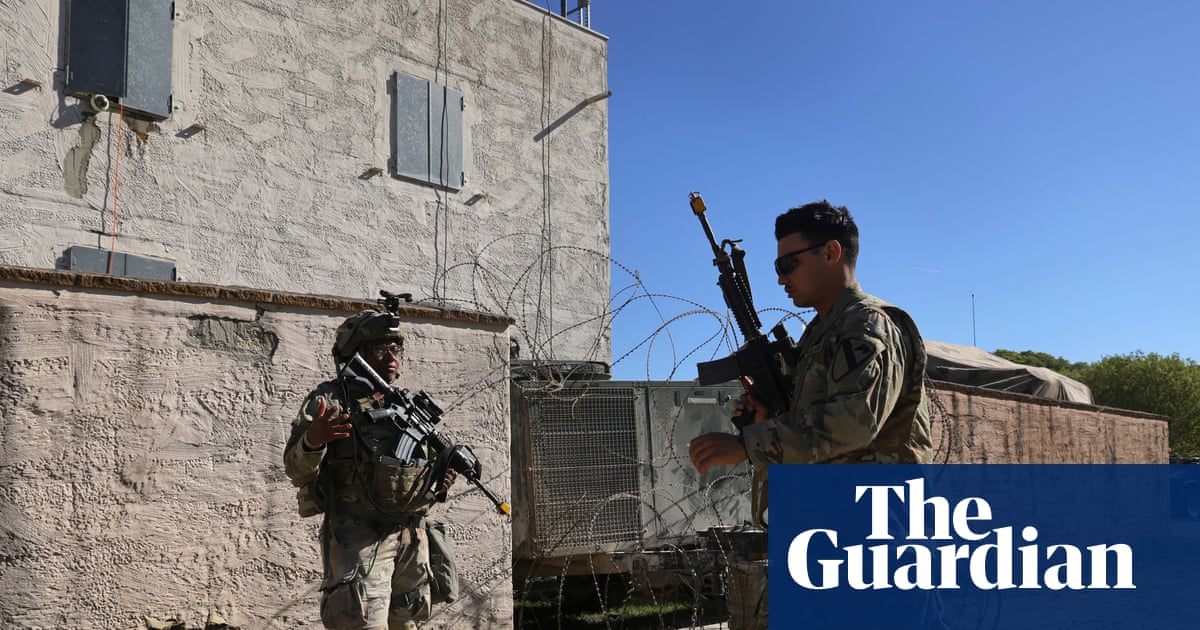
The news of the Pentagon’s decision to withdraw 5,000 U.S. troops from Germany has caused ripples of concern among Republican lawmakers. Senators Roger Wicker and Representative Mike Rogers, both key figures in the Senate and House armed services committees, released a joint statement underscoring their disapproval of this significant military shift. Their statements echoed broader apprehensions regarding the impact on NATO’s collective security and the geopolitical landscape in Europe.
Joint Statement from Key Lawmakers
Senator Roger Wicker, representing Mississippi, and Representative Mike Rogers from Alabama articulated that they “are very concerned by the decision to withdraw a US brigade from Germany.” This joint expression of concern signals a worry about the implications this troop reduction may have on U.S. military presence in Europe and the potential weakening of NATO alliances.
Timeline for Withdrawal
The Pentagon has indicated that the withdrawal process is anticipated to take place over the next six to twelve months. This extended timeline raises questions about the mode of transition and how it might affect ongoing military collaborations and readiness. The contemplation of a fully reduced U.S. military footprint in Germany, a key NATO ally, sends views across the Atlantic, impacting relations and defense strategies.
Contextual Background: Trump’s Influence
This troop reduction announcement came shortly after former President Donald Trump suggested such a withdrawal earlier in the week. His remarks were in response to German Chancellor Friedrich Merz’s critical statements about the U.S. strategy concerning the Iranian conflict. Merz described the negotiations with Iran as humiliating for the United States, a critique that evidently provoked Trump’s reaction regarding troop levels in Germany.
NATO’s Reaction: Seeking Clarity
As this situation develops, NATO has expressed its desire to “understand the details” surrounding the U.S. decision to withdraw troops. The alliance’s interest in these details stems from the need to assess how changes in American military presence will influence NATO operations, collective defense strategies, and the security panorama in Europe. While the German government has attempted to downplay the abruptness of Trump’s decision as somewhat expected, it nonetheless underscores Europe’s ongoing necessity to bolster its own defenses.
Implications for Germany and NATO
The potential removal of U.S. troops is particularly striking for Germany, home to the largest American military community outside of the United States—Landstuhl. The U.S. military’s integration into German life since World War II has created deep socio-cultural ties. The implications of this withdrawal could disrupt not only military readiness but also local economies that rely on U.S. military presence.
Local Responses to the Withdrawal
Residents in regions like Landstuhl have likely experienced a jarring reaction, as the American military presence has long been a cornerstone of stability and economic activity. This profound shift raises fears about how communities will adjust to changes in local demographics, investments, and infrastructure that have traditionally been supported by the presence of American troops.
Broader Political Dynamics
Alongside military concerns, the political backdrop reflects a growing divide in transatlantic relations and defense strategies. The move to withdraw troops could be perceived as a signal of a more isolationist U.S. foreign policy approach, challenging NATO’s collective security framework and encouraging European nations to reassess and enhance their defense capabilities independently.
Summary of Events at a Glance
As the political landscape shifts, the situation surrounding the troop withdrawal remains dynamic. With both immediate and long-term repercussions for U.S.-Germany relations and NATO’s strategic position in Europe, this event stands as a key moment in assessing future military collaborations and alliances in a rapidly evolving geopolitical climate.
The developments in troop deployment, coupled with the exchange of criticisms between U.S. leadership and German officials, highlight the complex and often contentious nature of international defense agreements. As the situation unfolds, it will be critical to observe both regional and global responses, as well as the adjustments NATO might need to consider in light of a potentially new military reality in Europe!