

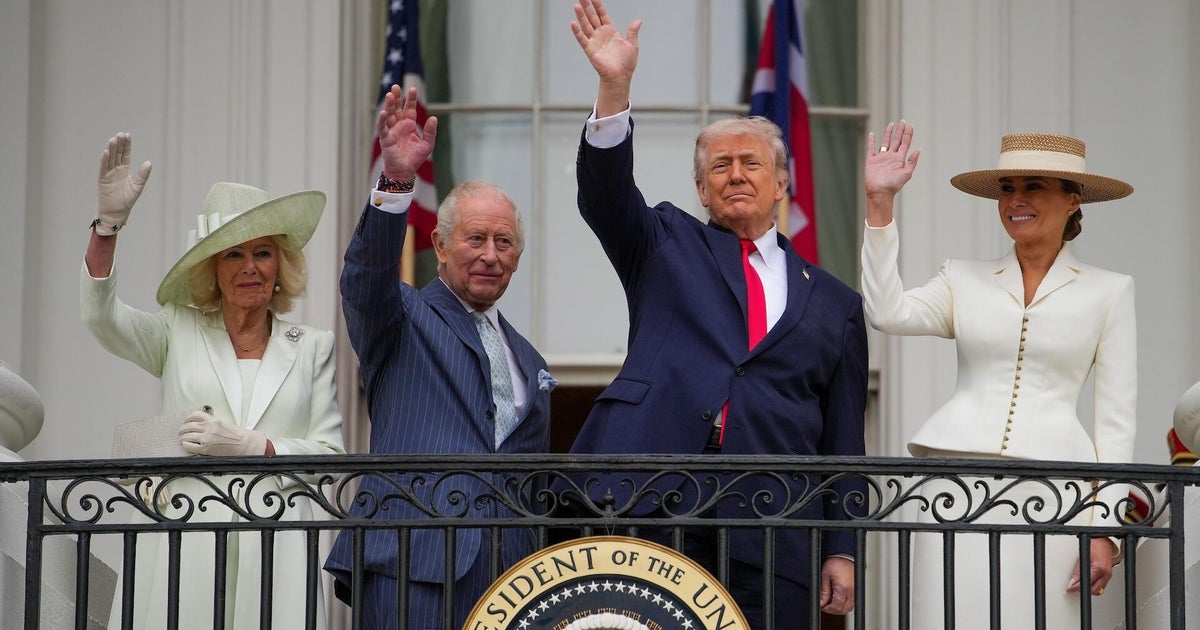
King Charles’ Address to Congress: A Symbol of Enduring Bonds
This past week, King Charles III delivered a poignant address to the United States Congress, highlighting the enduring relationship between the U.S. and the U.K. In a period fraught with political uncertainty and international tensions—especially concerning ongoing conflicts in regions like Iran—his speech resonated deeply with themes of reconciliation, renewal, and mutual respect.
The Context of the Address
CBS News contributor Tina Brown offered keen insights during a discussion on "CBS Mornings," stating that the address underscored how the bond between the two nations transcends current political climates. Brown noted that despite underlying tensions, particularly regarding international interventions—such as the Iran war—the King’s speech aimed to reinforce common values and shared goals.
In a politically charged atmosphere, King Charles managed to deliver messages that, although rooted in his personal convictions, remained separate from partisanship. He addressed critical issues, including climate change, NATO, and the ongoing conflict in Ukraine, which may not align with all U.S. political agendas but reflect the monarchy’s commitment to global issues and humanitarian efforts.
A Monarch Above Politics
Brown articulated that the essence of monarchy, embodied by King Charles, allows him to represent the U.K. while remaining above the political fray. His delivery was described as "sharp" and "measured," suggesting a leader who is attuned to both domestic and international sentiments. Charles’s timely references to Ukraine were particularly noteworthy; post a concerning episode involving U.S. President Trump and Ukrainian President Volodymyr Zelenskyy, Charles extended an invitation for a private tea at Sandringham. This gesture communicated a strong international solidarity, reinforcing the message that the U.K. stands firmly with Ukraine.
London to New York: A Diplomatic Journey
Following his address in Washington, King Charles and Queen Camilla continued their visit in New York City, where they made a significant pilgrimage to the 9/11 memorial. This stop was not just a solemn acknowledgment of past tragedies—67 Brits lost their lives during the tragic events of September 11—but also a reminder of the military camaraderie shared in subsequent conflicts. Brown noted that this was the King’s way of subtly reminding the American administration of Britain’s steadfast contributions in regions like Afghanistan and Iraq, even amidst criticism regarding NATO’s role in those conflicts by figures like President Trump.
Reflections on NATO and Global Alliances
The need to reaffirm alliances, especially within NATO, came into sharp focus during the King’s visit. Past remarks by President Trump had questioned the importance of NATO allies, resulting in a ripple of concern among international leaders. Against this backdrop, King Charles’s acknowledgment of military cooperation and sacrifice served a dual purpose: honoring those who fought and reinforcing the message of unity and shared responsibility among allies.
The Role of Prince William and Princess Kate
While King Charles and Queen Camilla were the stars of this diplomatic trip, the influence of the younger generation of royals cannot be understated. Brown emphasized the growing importance of Prince William and Princess Kate in the public eye. Kate, in particular, has garnered immense public affection, becoming integral to the monarchy’s appeal. Their involvement in charitable efforts and public engagements portrays a modern and relatable royal family, bridging generations and resonating with younger audiences.
The Future of the Royal Family
Brown highlighted that, despite the dramas surrounding other members—namely Prince Harry and Meghan Markle—the monarchy appears to be in a more favorable position than it has been in years. Charles’s reign, with its focus on climate issues, global cooperation, and a renewed sense of duty, suggests a monarchy that is evolving while retaining its core values.
King Charles and his upcoming engagements in Virginia further emphasize their commitment to fostering strong cultural and diplomatic relationships with the U.S. This commitment to nurturing transatlantic ties, underscored by meaningful gestures and discussions, paints a hopeful picture for future collaborations between the two nations.



