

The Economic Issues Dominating Voter Concerns
In the realm of political discourse over the past decade, economic issues have undeniably taken center stage. Public sentiment reveals that when voters are asked about their top concerns, a considerable majority—over 70%—point to matters tied to the economy, jobs, and social spending. This focus on economic themes aligns with the long-standing adage, “It’s the economy, stupid,” emphasizing that, despite myriad issues, economics remain foundational to everyday American lives. From taxes to healthcare and social programs, voters regularly interact with their government through an economic lens.
The Discrepancy in Political Rhetoric
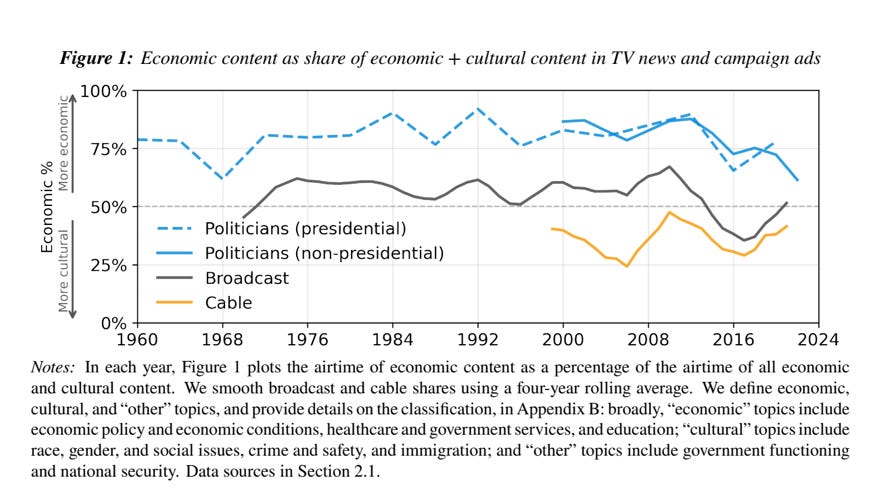
Despite this clear voter sentiment, there exists a notable discrepancy between what the public cares about and what is actively discussed in political arenas—especially on social media. Here, lawmakers, particularly Republicans, often lean into topics that stir cultural conflict—race, gun rights, LGBT issues, crime, and immigration. The media landscape is rife with debates that seem detached from the pressing economic challenges faced by everyday citizens. Donald Trump’s presidency exemplified this shift; he frequently focused on the same cultural issues championed by pop media personalities rather than addressing the bread-and-butter concerns of the average worker.
The Role of Media in Shaping Political Priorities
So, what contributes to this intriguing disconnect? A recent academic paper sheds light on how the choices made by television news executives and producers have pivoted the focus towards cultural warfare. This media-driven framework often neglects the pressing economic issues that voters prioritize. The prominence of figures with media backgrounds in significant government positions reveals a more profound intersection of media and politics. For example, the current U.S. Secretary of Defense boasts a career rooted in Fox News, showcasing how entertainment and news have bled into political discourse, steering attention away from economic priorities.
The Culture Agenda’s Impact on Elections
The shift in attention to social culture has significant electoral consequences. Politicians may find themselves catering to the narratives popularized by the media rather than addressing the core issues that voters prioritize. This cultural focus diminishes the capacity for effective governance centered around economic equity and social welfare, effectively reshaping electoral strategies that resonate with voters. Lawmakers’ focus on sensational social issues can easily eclipse the economic struggles of their constituents, creating a political atmosphere that prioritizes culture over necessity.
The Evolution of Political Engagement
The transformation of political engagement in the last two decades can be seen as a battle for cultural dominance over substantive discussion of economic realities. As voters become accustomed to discussing polarizing social topics, they may unknowingly abandon the dialogues surrounding economic issues that are critical to their everyday lives. Consequently, politicians may be incentivized to shift their focus to align with the narratives promoted by television and social media, amplifying the chasm between what constituents want and what they receive on the political stage.
Navigating Through the Misinformation
Understanding the cultural dynamics at play is essential for voters and policymakers alike. As cultural issues dominate headlines, it’s easy for voters to feel disconnected from the political system that should represent them. This disconnect can lead to voter apathy or misinformed electoral choices, further complicating the relationship between government and the populace it serves. Policymakers must grapple with a media landscape that prioritizes sensationalism over substance, finding ways to advocate for economic realities in a climate often thick with cultural narratives.
A New Perspective on Governance
The interplay between economic issues and their representation in political discourse could dramatically reshape future governance. By returning focus to the pressing economic concerns that citizens face, politicians stand a better chance of winning the electorate’s trust. If lawmakers can foster an informed dialogue around economic issues while acknowledging the significance of social topics, they may bridge the divide between media-driven narratives and voter priorities, creating a more receptive political atmosphere.
This evolving landscape underscores the importance of scrutinizing how media decisions influence political priorities and public perception. Awareness of this dynamic is crucial for those seeking to engage in the political process authentically and meaningfully. The influence of culture on politics is profound, but it shouldn’t eclipse the foundational economic conversations that shape our lives and futures.



