

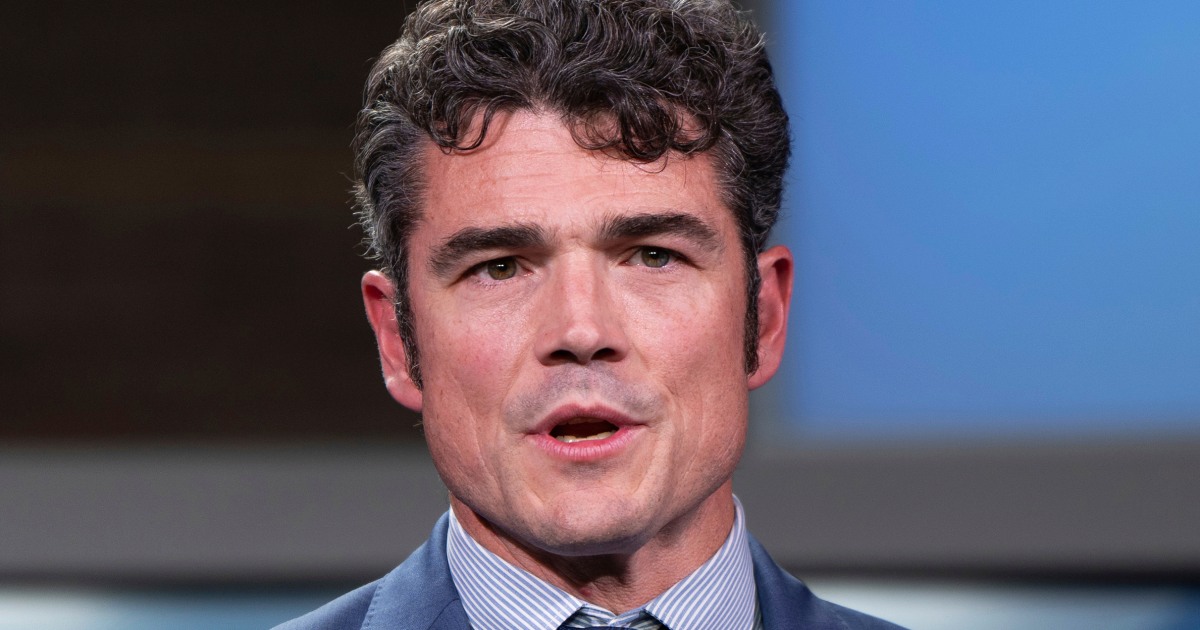
Resignation of Joe Kent: A Bold Stand Against War in Iran
In a startling turn of events, Joe Kent, the director of the National Counterterrorism Center (NCTC), has announced his resignation, citing ethical concerns surrounding the ongoing war in Iran. Kent, a retired Green Beret and a well-known supporter of former President Donald Trump, has made clear that his resignation stems from a profound disillusionment with U.S. military actions in the region.
The Statement Behind the Resignation
In a statement posted on X (formerly Twitter), Kent expressed his discomfort with the war, stating, “I cannot in good conscience support the ongoing war in Iran. Iran posed no imminent threat to our nation.” He went on to point fingers at external pressures, claiming that American military action in Iran was largely driven by influence from Israel and its powerful lobby in the United States. This is particularly significant given the current geopolitical landscape, where U.S. foreign policy continues to be a contentious issue.
The Role of the National Counterterrorism Center
The NCTC is tasked with overseeing U.S. government intelligence related to terrorist threats, maintaining a comprehensive database of known and suspected terrorists. Kent’s departure from this pivotal role raises questions about the potential impacts on national security policies and the general direction of American intelligence efforts in relation to terrorism.
Connections to Tulsi Gabbard
Kent previously worked closely with Tulsi Gabbard, the director of national intelligence, during a collaborative tenure. Both individuals share a similar ideology questioning the effectiveness of U.S. military interventions abroad. Gabbard has remained relatively quiet since the war’s onset, having previously condemned military operations that lacked clear justification. Kent’s relationship with Gabbard adds another layer of complexity to his resignation and his outspoken stance.
A Personal Perspective on Conflict
In a heartfelt letter addressed to Trump, which he also shared on X, Kent detailed his initial support for Trump’s values during his first term. However, he lamented that the former president had been misguided by external influences, particularly from Israel. Kent stated emphatically that he could not support "sending the next generation off to fight and die in a war that serves no benefit to the American people nor justifies the cost of American lives." This articulation presents Kent not just as a military veteran but as a concerned citizen advocating for peace.
Military Background and Personal Sacrifice
Joe Kent is not just an armchair critic; he comes from a distinguished military background. Serving in the Army Special Forces, he completed 11 combat deployments over two decades and later joined the CIA. Tragically, his commitment to service took a personal toll when his wife, Shannon Kent—who served as a Navy cryptologist—was killed in a terrorist bombing in Syria in 2019. His lived experience gives weight to his statements and positions regarding U.S. military actions abroad.
Political Affiliations and Controversies
Kent’s loyalty to Trump and his controversial political stances have led to scrutiny in his current role. He has publicly labeled January 6 rioters as "political prisoners," showcasing a polarizing perspective on domestic issues. His associations have raised eyebrows, particularly for his links to individuals within far-right groups like the Proud Boys. Such connections can complicate his narrative as a defender of American values amidst a backdrop of escalating tensions and conflict.
Intelligence Community Dynamics
Kent’s tenure at the NCTC was marred by internal controversies. Notably, tensions arose in May when Gabbard fired two veteran intelligence analysts for providing assessments that contradicted the White House’s claims regarding Venezuelan criminal gangs. Emails revealed that Kent urged these analysts to modify their conclusions to better align with the administration’s positions, including criticism of immigration policies instituted by the Biden administration.
Conclusion: A Changing Landscape
Kent’s resignation and his outspoken views highlight the ongoing debates surrounding U.S. military involvement abroad, especially in the context of Iran. His departure poses significant questions about future intelligence strategies and the moral implications of military actions in foreign conflicts. As the political climate continues to shift, Kent’s voice adds an intriguing perspective to the discourse surrounding American foreign policy and the responsibilities of those in high-stakes positions of power.



