

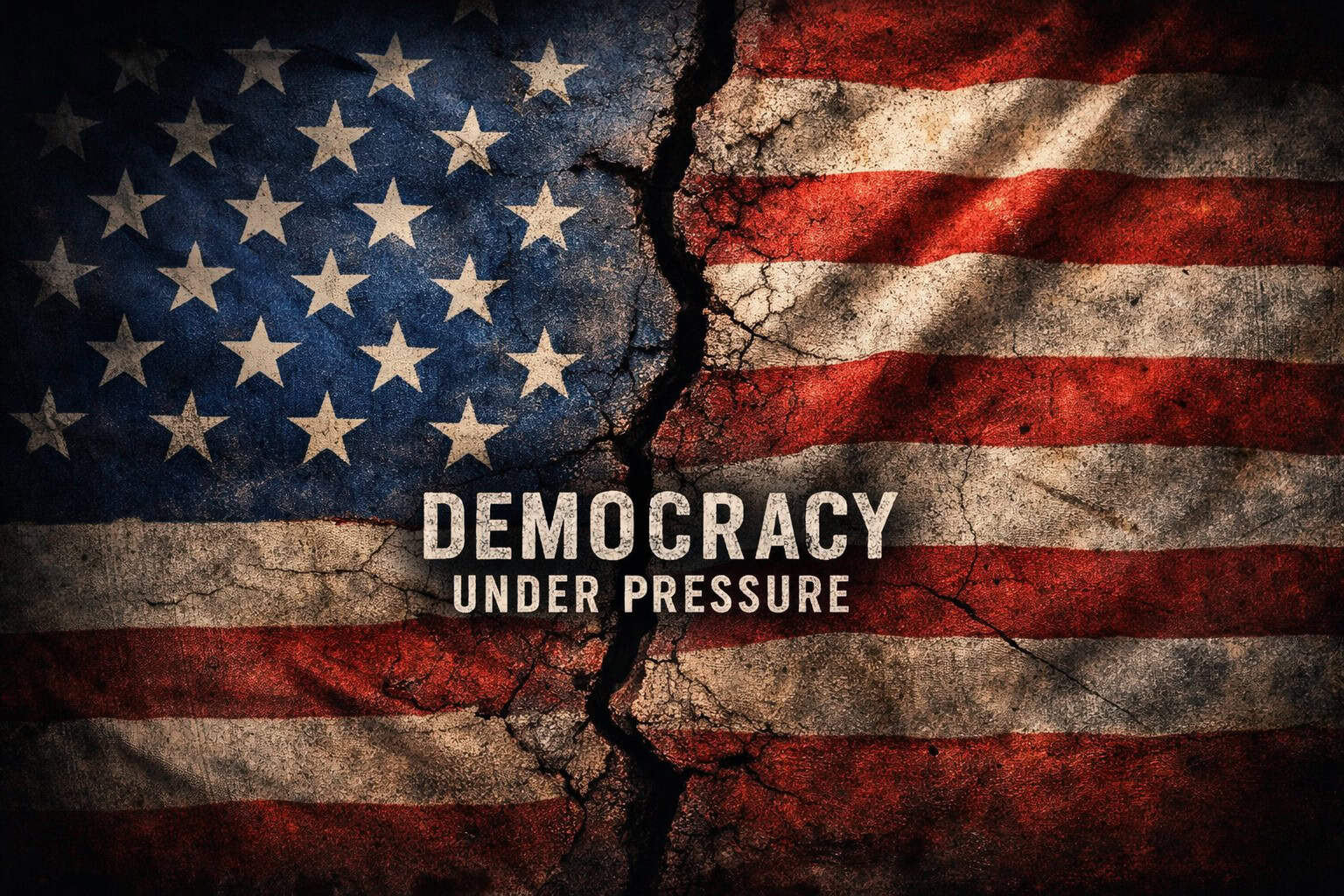
Special Report: Democracy in Decline
Code Blue for American Democracy
Recent developments from the V-Dem Institute, based at the University of Gothenburg, have put the health of American democracy under scrutiny. This international study, arriving at a politically charged time in U.S. politics, raises urgent questions about the future of democratic governance in the country.
The Shift from Liberal to Electoral Democracy
The V-Dem assessment has downgraded the United States from a "liberal democracy" to an "electoral democracy." This shift signals that while elections continue to take place, the foundational institutional safeguards, political norms, and civil liberties that once reinforced these elections are under threat.
Critically, these findings emerge as President Donald Trump amplifies campaign-style messaging that many believe could test the limits of traditional democratic boundaries. His persistent claims challenging election integrity and proposals to expand presidential powers offer a backdrop that may exacerbate ongoing tensions in the political landscape.
What the Study Found
In the 2026 Democracy Report, the V-Dem Institute outlined several alarming trends:
- Sharp Democratic Decline: The U.S. has seen one of the steepest declines among established democracies.
- Weakening Institutional Checks and Balances: The separation of powers that is crucial for balanced governance is increasingly compromised.
- Deepening Political Polarization: Societal divisions appear to be widening, further complicating consensus-building.
- Eroding Trust in Elections: Public confidence in democratic processes and governing bodies has diminished significantly.
This classification leaves the U.S. in a precarious position, with the foundations of democracy showing worrying signs of wear.
Why Researchers Say This Is Happening
The report attributes this decline to a confluence of factors:
Erosion of Institutional Norms
Long-held norms, such as the acceptance of election results and the division between politics and governance, are fracturing. This change in expectation poses significant risks to democratic functioning.
Expansion of Executive Power
Concurrently, there has been a notable increase in presidential authority. Congressional gridlock and ongoing legal challenges have diminished the effectiveness of traditional checks and balances, concentrating more power in the executive branch.
Pressure on Election Systems
Disputes surrounding voting laws, ballot access, and election procedures have further complicated public confidence in the electoral process. As controversies swirl, faith in institutions appears to erode, leading to a crisis of legitimacy.
Information and Technology Disruption
The rise of misinformation — particularly exacerbated by advancements in artificial intelligence and social media — complicates public understanding of electoral integrity. Rapid dissemination of false narratives can skew voter perceptions, with significant implications for democratic participation.
Political Climate Raises Stakes
Current political dynamics surrounding President Trump play a crucial role in this narrative. Critics claim he perpetuates a damaging rhetoric that undermines public faith in elections. His allegations of rigged elections, combined with calls to enhance presidential authority over federal agencies, align with behaviors that some argue challenge democratic norms.
Polling data reveals a nuanced picture: while Trump retains sizeable support, signs of a softening base could indicate growing unease regarding his political trajectory. Analysts are increasingly concerned that a combination of mistrust, heightened political rhetoric, and contentious elections could lead to further destabilization.
The Michigan Connection
States like Michigan become focal points in this discussion. As a crucial swing state with historical importance in electoral disputes, any decline in trust among Michiganders has immediate ramifications. The state’s narrow margins and fluctuating voter turnout can significantly influence national elections, making it epitomize the broader national crisis.
Part 2: How to Reverse the Trend
If the warnings from the V-Dem report resonate, the pressing question shifts to potential remedies for this democratic decline.
What Would It Take to Strengthen U.S. Democracy Again?
Experts advocate for a multi-faceted approach involving both structural reforms and shifts in national culture.
1. Strengthen Election Transparency
A call for standardized audits, publicly accessible vote verification processes, and bipartisan oversight of election administration would aim to restore trust in electoral systems by making them more transparent.
2. Reinforce Checks and Balances
Reinvigorating congressional authority, clarifying limits on emergency executive powers, and ensuring the independence of federal agencies are critical steps to restore balance among branches of government.
3. Protect Election Officials
Legal safeguards for local election workers, increased penalties for intimidation, and guaranteed funding for election infrastructure would help shield those tasked with administering elections from undue political pressure.
4. Address Misinformation and AI Risks
Implementing disclosure requirements for AI-generated content, establishing rapid fact-checking systems, and enhancing accountability for digital platforms could mitigate the spread of misinformation that threatens informed voting.
5. Expand Civic Education
Robust public education campaigns about electoral systems, greater media transparency, and community-level engagement would cultivate a more informed electorate.
6. Increase Campaign Finance Transparency
Stricter disclosure laws regarding political funding sources and limits on undisclosed spending aim to reduce perceptions of hidden influence over elections, thereby enhancing public confidence.
7. Rebuild Political Norms
Restoring a sense of good-faith governance is paramount. Acceptance of verified election results, reducing zero-sum political rhetoric, and returning to cooperative dialogue can help mend the fraying threads of democratic practice.
The Bottom Line
The findings from the V-Dem Institute paint a concerning picture of American democracy. While the nation remains a functioning democracy, the erosion of trust and institutional integrity signals a need for urgent reflection and action. As the fabric of democratic governance undergoes such scrutiny, the question looms large: is there enough collective political will to enact meaningful reforms? This inquiry hangs over a critical juncture in American history as crucial elections approach.



