

The Impact of the Nationwide “No Kings” Rallies
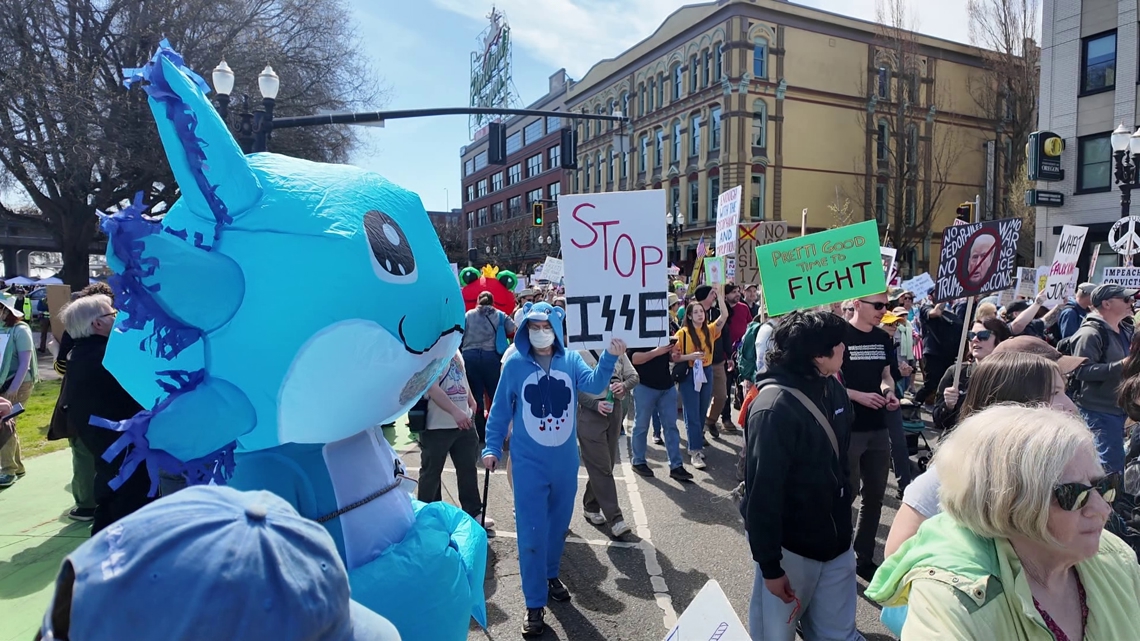
PORTLAND, Oregon — This past Saturday, an estimated millions of participants flocked to the nationwide “No Kings” rallies, marking a significant moment in collective activism. With over 3,300 organized events worldwide, the energy and commitment displayed by attendees cannot be overstated.
Beyond Numbers: Do Protests Spark Change?
While the turnout for these rallies is undeniably impressive, a lingering question remains: Do such events genuinely provoke change? To unpack this, KGW consulted Randall Blazak, a sociologist from Portland and co-founder of CurePNW. He argues that it’s not merely the act of protesting that creates change; rather, it’s the sense of community and solidarity fostered during these rallies that play a pivotal role in shifting public discourse and policy.
The Power of Community
Blazak draws from a century of history, noting how social activism has continually evolved. “We’ve seen it here in this country over the past 100 years — how social activism has changed things,” he explains, underlining the historical significance of collective action. Within this context, the “No Kings” rallies serve as a testament to grassroots engagement and community-building.
Rising Political Engagement
In Portland and throughout Oregon, tens of thousands marched in what has been described as a growing trend of political engagement among diverse populations. Blazak highlights a phenomenon he has observed: “There’s this momentum building among folks who are outside the mainstream of political activism.” This growing interest indicates a shift, particularly among individuals who may not consider themselves traditional activists.
A Diverse Movement
As attendees included a variety of demographics, Blazak notes a crucial aspect of these rallies: “The quintessential soccer moms — people outside the framework of activism — are recognizing that something they care about, American democracy, is in peril.” The “No Kings” rallies encapsulate a broader range of issues, inviting a diverse array of voices to the table.
Parallels with Past Protests
When comparing the “No Kings” rallies to the influential Black Lives Matter protests of 2020, Blazak sees an intriguing parallel. Both movements highlight the demand for societal change; however, he emphasizes that the “No Kings” rallies are more inclusive in scope, addressing multiple societal concerns beyond racial justice.
The Role of Active Participation
The essence of change, according to Blazak, comes when individuals actively participate in these movements. He articulates a key distinction: “Protest in and of itself isn’t resistance.” Instead, rallies lay the groundwork for forming what he refers to as community capacity. In a world where digital engagement often overshadows personal connections, such events encourage people to step beyond their screens, fostering networks and relationships.
Building Community Connection
In an era characterized by isolation, with many spending significant time on their phones and in virtual spaces, the “No Kings” rallies serve as a vital antidote. “This gets people out of the house and building those networks,” Blazak notes, underscoring the importance of human connection in facilitating cultural and political evolution.
As the “No Kings” rallies demonstrate, activism serves not just as a platform for expression, but as a catalyst for community engagement and a pathway toward creating a unified voice capable of enacting meaningful change.



