

The Resurgence of Solidarity: Taking Action in the Face of Adversity
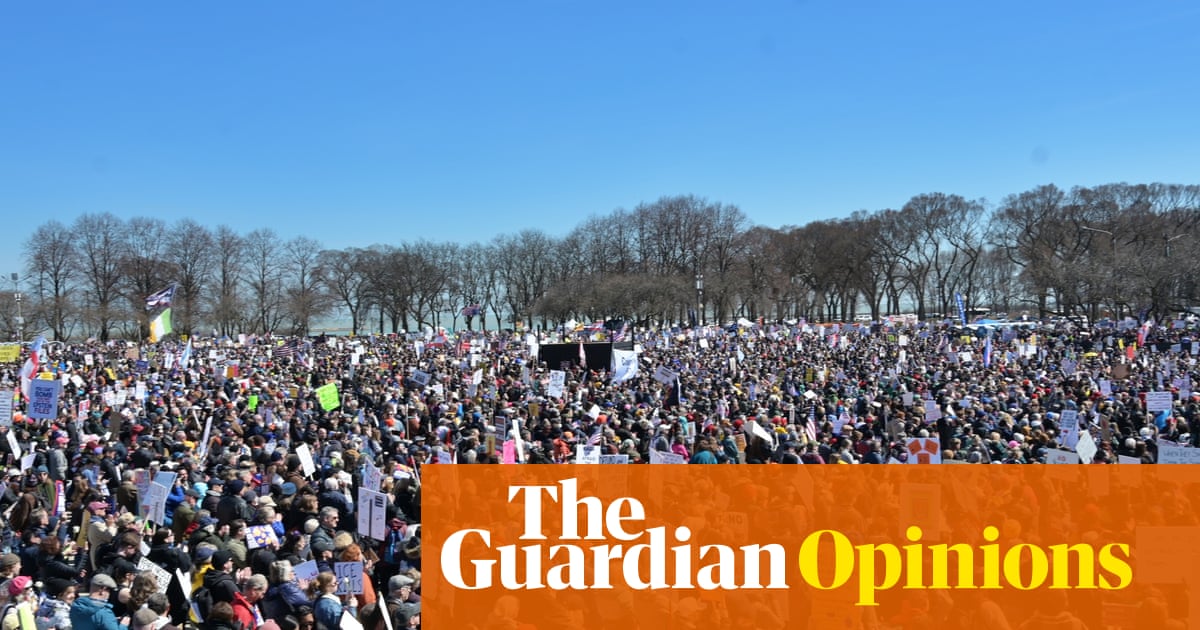
Last weekend witnessed a remarkable show of solidarity across the United States, as millions of people united to affirm the importance of the common good. This mass mobilization represented a collective voice against various injustices, including Donald Trump’s controversial military actions in Iran, harsh treatments of immigrants, ongoing prosecutions of public officials, and threats to educational freedoms. Participants rallied not only for these domestic issues but also for global concerns like climate change, thereby asserting their commitment to democracy in the face of perceived authoritarianism.
Transforming Solidarity into Political Power
While the energy and enthusiasm from these demonstrations were palpable, the pressing question arises: how do we convert this solidarity into tangible political power? A proactive approach requires collaboration with existing activists, particularly those involved in organizations like local Indivisible chapters or movements such as the No Kings protests. Here are three strategic recommendations that can effectively harness this collective spirit:
1. Target Vulnerable Republican Officials
The first step involves focusing efforts on vulnerable Republican senators and House members. Given the delicate balance of power in both chambers of Congress, some Republican representatives from swing districts are reconsidering their alignment with Trump’s authoritarian tendencies. Engaging them provides an opportunity to either encourage a change in party affiliation or to effectively flip their seats by rallying community support against them. This is all the more crucial in what is shaping up to be a contentious political landscape leading into the midterm elections.
2. Mobilize for the Midterm Elections
Mobilizing a strong voter turnout for the upcoming November midterms is vital. The objective is not merely to narrow Republican margins but to secure sweeping Democratic victories that can somewhat limit Trump’s powers moving forward. Start by organizing grassroots initiatives that include making plans for outreach, creating phone trees, writing postcards, and ensuring transportation for those who may face obstacles in voting. With recent data indicating that Democrats have performed exceptionally well in special elections within traditionally Republican districts, the groundwork is already laid for potential success in the midterms.
Engagement in concrete planning is key—ensuring that likely Democratic voters are registered, motivated, and equipped with all necessary resources for casting their ballots.
3. Challenge Voter Intimidation Tactics
As the election approaches, vigilance against any attempts to intimidate voters or manipulate the electoral process is paramount. This includes monitoring for any presence of federal agents near polling places or attempts to alter voting regulations. Collaboration with local and state party officials is necessary to ensure a free and fair election. If any concerning voter suppression tactics arise, it’s crucial to alert local chapters of organizations like the American Civil Liberties Union (ACLU) to advocate for the preservation of voting rights.
A Flicker of Hope Amid Uncertainty
Despite the tumultuous political climate, there is a sense of hope brewing. Polling indicates that Trump’s popularity is waning— a significant number of Americans are now expressing disapproval of his presidency, particularly in contexts related to military engagement. The recent wave of community organization and activism, catalyzed by events like the No Kings protests, speaks volumes about the potential for grassroots movements to reshape societal narratives.
Cities across the nation, from Minneapolis to Portland, are witnessing a resurgence of community spirit and commitment to social justice. In these challenging times, individuals are reimagining democratic capitalism and envisioning systems founded on equality, inclusivity, and shared power.
The Role of Leadership and Grassroots Movements
As we continue to navigate this pivotal moment, the leadership of grassroots activists becomes increasingly significant. Individuals and groups who have carried the torch for progress are instrumental in channeling public sentiment into actionable political strategies.
Robert Reich, a prominent political economist and commentator, emphasizes the importance of grassroots reform as a pathway to restorative change in the current political landscape. The emerging dialogue surrounding these issues indicates a thirst for transformation that may just usher in a new era of engagement and sustainable progress in American democracy.
Through collective action, communication, and vigilant activism, citizens across the nation have the opportunity to seize this moment and redefine the political narrative.



