

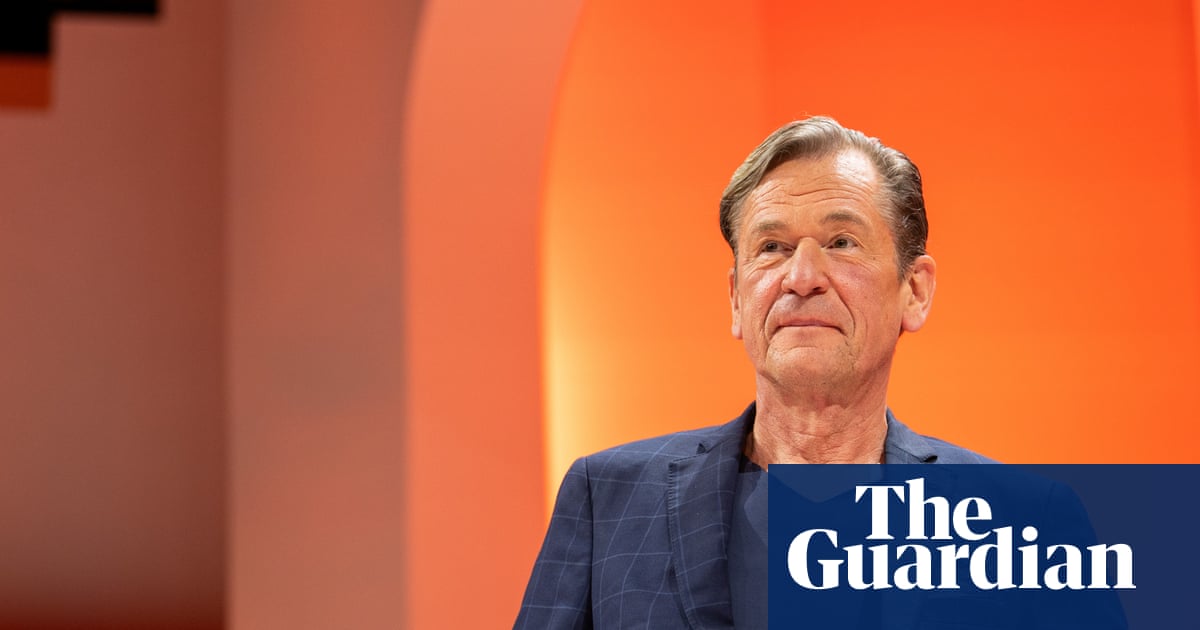
Mathias Döpfner and the Future of Axel Springer: Navigating a Controversial Landscape
In his 2023 book Dealing with Dictators, Mathias Döpfner, the chief executive of the German media giant Axel Springer SE, laid out his vision for the future of Western democracy. He argues for a collaborative approach among nations that uphold the rule of law, encouraging trade among allies rather than engaging in economic relationships with autocratic regimes. His stance emphasizes a belief that economic ties do not necessarily lead to the democratization of "self-styled strongman leaders." This philosophy raises eyebrows, especially following his decision to publish an opinion piece from Hungary’s Prime Minister Viktor Orbán—a controversial move just weeks before a highly anticipated election.
The Orbán Controversy
Döpfner’s choice to feature Orbán in Welt am Sonntag incited significant backlash, as it clashed with the company’s proclaimed commitment to democracy and liberal values. Critics within the media and political spheres expressed their dismay, describing the publication of such an opinion piece as “a lot of strong irritation.” This incident highlights the internal and external tensions surrounding Axel Springer, a major player in the media landscape seeking to expand its influence beyond Germany.
Global Aspirations
For decades, Axel Springer has wielded considerable power in Germany’s post-war media landscape. Recently, it has set its sights on a transatlantic strategy, seeking to become a significant player in both the U.S. and Europe. The acquisition of Politico in 2021 marked a significant step toward this goal, further solidified by plans to buy the Daily Telegraph in a substantial cash deal. Döpfner describes these moves as part of a mission to uphold Western values in an increasingly fragmented global environment.
Balancing Principles with Provision
However, critics argue that Döpfner’s lofty ideals clash with some of the editorial decisions being made within his own outlets. Editorial decisions at Die Welt have sparked controversy, including a notable op-ed by Elon Musk advocating for support of the far-right Alternative für Deutschland (AfD), leading to significant internal pushback. While Döpfner claims that the AfD’s policies contradict the ethos of Axel Springer, the decision to publish divergent views continues to draw scrutiny about the integrity of the company’s editorial stance.
The Disruption Factor
As Europe faces an unpredictable U.S. political landscape, Axel Springer is increasingly accused of embracing political disruptors, often reflecting the interests and ideologies favored by Silicon Valley. Meanwhile, Döpfner insists that he maintains editorial independence and prioritizes financial stability, describing it as essential to safeguarding that independence. Yet, many former employees suggest that this independence is being compromised by overarching business strategies.
A Visionary with Controversial Associations
Döpfner himself has a rich history in journalism, beginning his career as a music critic and displaying an early aptitude for navigating high-stakes corporate environments. His tenure at Axel Springer has been marked by strategic decisions that capitalized on digital advances, enhancing the company’s financial standing but also raising questions about its direction. His reputation among peers and employees is that of a charismatic leader, with some describing his influence as “guru-like.”
Despite the successes, 2021’s scandal involving a prominent editor raised concerns about oversight and accountability within the organization. Döpfner’s vision for news publishing has become increasingly ambitious, including plans to double the company’s value and explore AI-driven journalism, despite struggles around trustworthiness and credibility in its current reporting.
The Image vs. Reality of Popularity
One of the flagship brands under Döpfner’s leadership is Bild, recognized for its mass reach but criticized for its low trust ratings. The company’s ambitious projects, like an in-house Bild TV, faced failure, spotlighting the challenges in transitioning to a digital landscape while maintaining journalistic integrity.
Political Disconnects
Döpfner’s perspective appears to diverge from that of mainstream German society. While his outlets often align with conservative politics, internal communications have revealed a push towards supporting smaller parties like the Free Democratic Party (FDP), illustrating a potential disconnect between the company’s vision and public sentiment.
His podcast series, MD Meets, has notably featured influential tech executives, with Prime Minister Orbán being the sole European politician invited, raisings questions about the company’s political leanings. Critics argue that Axel Springer has shifted its focus away from fostering European unity towards a strategy of lobbying and aligning more closely with American ideals.
Ambivalence Towards Europe
Despite owning Politico Europe, a key player in European decision-making coverage, the company seems to place less emphasis on European integration and solidarity. Recent shifts within Axel Springer, such as the removal of a commitment to a united Europe from its core values, signal a growing prioritization of U.S.-European alliances.
In various opinion articles, including one in Politico where Döpfner posits that former President Trump desired a “strong Europe,” the romanticism surrounding the Anglosphere is palpable. Yet, it raises the question of whether allegiance to a perceived American ideal overshadows the importance of European political structures.
Aspirations for the American Market
With the acquisition of the Telegraph, Döpfner aims to solidify Axel Springer’s presence in the English-language news market. Although the venture is ambitious, many industry experts caution against the challenges inherent in penetrating a media landscape dominated by established broadcasting and podcasting formats.
Axel Springer has proclaimed its intention to uphold its distinct brand identity while fostering a legacy that aligns with democratic principles. However, how these ambitions play out amid both internal challenges and external perceptions remains to be seen.



