

King Charles III’s Diplomatic Visit to the US: A Masterclass in Modern Monarchy
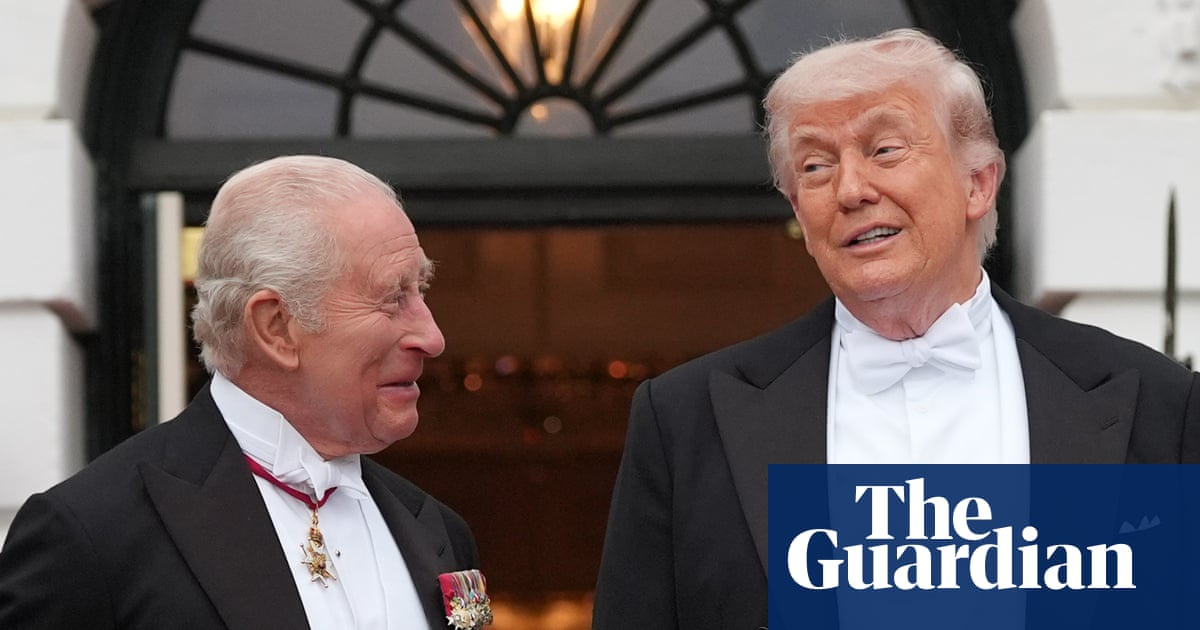
In a recent state dinner at the White House, King Charles III showcased a unique blend of charm and diplomatic finesse. The highlight? A polished brass bell from the HMS Trump, a Royal Navy submarine launched in 1944. With a quip, “And should you ever need to get hold of us, well, just give us a ring,” the king effectively managed to merge humor with historical resonance. This gesture was not just a ceremonial display; it stirred a wave of mixed reactions across the globe, particularly among world leaders who might feel the pressure of such a creative diplomatic overture.
A Delicate Balancing Act
While Charles’s gestures received accolades in the media, they exposed a critical aspect of the soft power he wields as a monarch. The British Prime Minister, Keir Starmer, must remember that soft power, despite its grace, is inherently fragile. Charles enjoyed the warmth of American respect while Starmer navigated the chilly political landscape at home, where public sentiment toward the monarchy has been far less forgiving. The duality of Charles’s reception captures the complexities of international diplomacy in an age of shifting political allegiances.
Irony in Reception
Ironically, during his visit to the U.S.—a nation that freed itself from the grip of his ancestors over two centuries ago—Charles found himself revered as a “debonair defender of democracy.” The contrast between the monarchy’s historical connotations of privilege and colonialism and its modern-day incarnation as a symbol of stability and moral authority reflects evolving perceptions of monarchy in contemporary society.
Taming Trump
Charles’s ability to navigate his relationship with former President Donald Trump stands out. He artfully managed to honor the longstanding Anglo-American relationship while subtly rebuking the ideologies associated with Trumpism. His speech addressed foundational principles that resonate across party lines in the U.S., appealing to both Republicans’ protective instincts regarding traditional alliances and Democrats’ concerns about institutional integrity.
A Timely Reminder
During remarks that could easily have been overlooked in previous eras, Charles’s mention of the Magna Carta as a foundation for checks and balances emerged as a compelling appeal to an audience grappling with contemporary governance issues. His warnings didn’t just draw on historical context; they served as a gentle admonition to a country grappling with the very essence of democracy. In a time when populism threatens to erode established norms, reminding the U.S. of its own historical principles carried a weight that reverberated in the halls of Congress.
Political Eloquence
The king’s eloquence was designed not only to flatter but also to signify that the U.S.’s checks on executive power still matter in today’s political climate. His comments about the impact of the U.S. on global stability provided a necessary psychological boost to a Congress increasingly sidelined by Trump’s approach to governance. Charles’s remarks were a veiled reminder that a balance of power is critical for the smooth functioning of democracy.
A Mixed Reception in NYC
Yet, upon arriving in New York, the atmosphere shifted. Charles faced a different kind of reception from Mayor Zohran Mamdani, who represents a wave of progressive ideals. Mamdani, aware of the contentious history surrounding British colonialism, suggested the king return the Koh-i-Noor diamond, an emblem of colonial plunder. This interaction starkly contrasted with the fanfare of the state dinner, highlighting the complexities of royal representation in a modern context where colonial legacies remain a significant topic of discussion.
The Weight of History
While Charles’s interactions in the U.S. were largely perceived as a smooth operation, they raised pertinent questions about the monarchy’s historical baggage. Critics noted the unexamined narratives of British colonialism and how such histories continue to shape perceptions of the monarchy today.
The Diplomatic Edge
The brilliance of Charles’s visit lies in his ability to resonate with the American psyche while also maintaining a refined distance from the current political chess game played by leaders like Starmer and Trump. Trump’s praise for the king contrasted sharply with critiques of Starmer, laying a landscape where legacy and lineage can sometimes overshadow democratic ideals.
The Modern Monarchy Challenge
In navigating these waters, King Charles III revealed the complexities of monarchy in the 21st century, where traditional roles blur with the demands of contemporary diplomacy. His creative use of historical symbols, such as the bell from HMS Trump, reflects a clever understanding of narrative and its significance in foreign relations.
This visit redefined the potential of soft power and the significance of royal engagement in a rapidly changing political environment, emphasizing that even age-old institutions must adapt to remain relevant in modern dialogues.



