

White House East Wing Undergoes Major Changes: The $250 Million Ballroom Project
Introduction to the Project
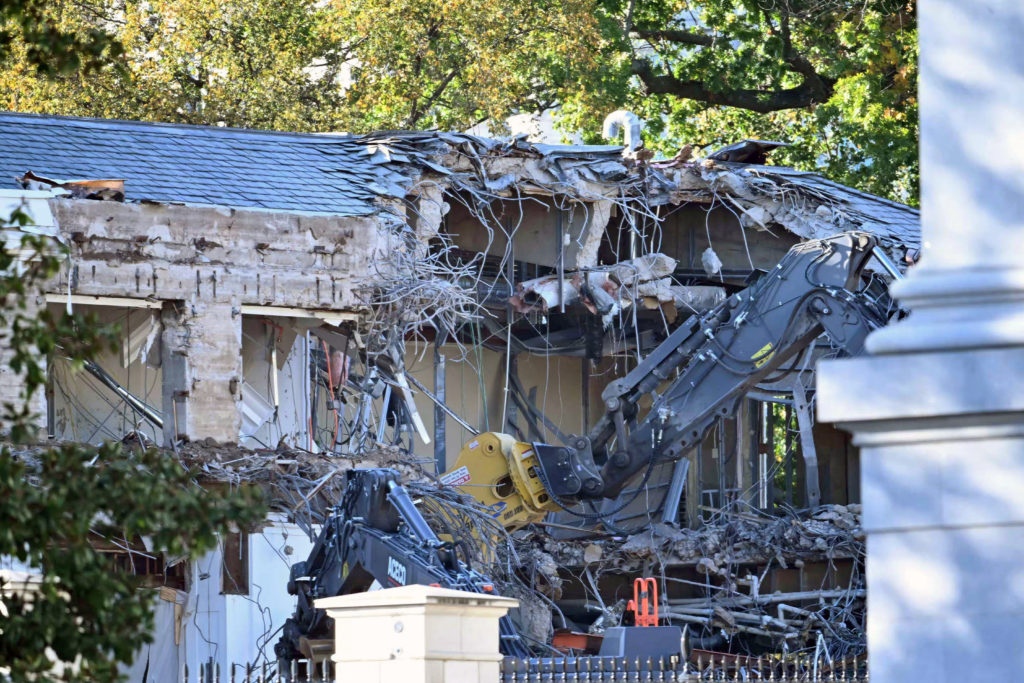
Recently, the White House has embarked on a significant transformation, beginning the demolition of part of the East Wing to make way for a lavish new ballroom anticipated to cost approximately $250 million. This ambitious initiative is being undertaken despite the absence of approval from the National Capital Planning Commission (NCPC), the governing body that oversees major renovations to government buildings in the Washington, D.C., area.
The Miscommunication Around the Project
On October 21, PBS News clarified its reporting on this development, correcting a previous statement attributed to White House press secretary Karoline Leavitt. The original story attributed the quote “nothing will be torn down” to Leavitt, which was actually a question posed by a journalist during a briefing back in July. The correction came after the inaccurate attribution was noted by the Associated Press.
Significant Demolition and Construction
Demolition of the East Wing commenced on October 20, with dramatic visuals capturing construction equipment tearing into the façade and windows. Observers from nearby parks watched as historical elements of the White House began to be dismantled in preparation for a project that Trump claims has been desired for over 150 years. The president announced the construction during a social media post and even referred to it while hosting Louisiana State University’s baseball champs in the East Room.
Approval Process and Timeline
Despite the formal approval not yet being granted for the grand ballroom project, Trump’s administration has pushed ahead. At a recent NCPC meeting, Will Scharf, staff secretary and a top aide to the president, stated that the commission handles vertical construction rather than demolition. He did not clarify whether the plans for the ballroom have been submitted for official review.
The East Wing’s Historical Context
The East Wing, built in 1902, serves as the operational hub for the First Lady’s office, housing several key administrative areas. Renovations in subsequent years have included the addition of a second story in 1942. Despite its historic significance, Trump assures that the new ballroom will not disturb the integrity of the main mansion, touting his admiration for the existing structure.
Relocation of East Wing Offices
In light of the ongoing construction, Leavitt confirmed that the offices currently housed in the East Wing would be temporarily relocated. These changes will modernize the space while also accommodating the demands of constructing the ballroom, which Trump touts as a necessity due to the limitations of the existing East Room.
The Ballroom’s Specifications
The new ballroom is set to be a monumental structure, characterized by its glass walls and massive capacity for up to 999 people, a notable increase from the originally proposed 650. Trump has expressed his preference for hosting dignitaries in a formal setting rather than in temporary structures on the South Lawn, aligning with the historic significance of the venue.
Funding and Contributions
In a bid to alleviate any financial burden on taxpayers, Trump insists that the construction of the ballroom will be funded entirely through private donations. During a recent dinner with business executives contributing to the project, he announced that significant donations had already been secured, including an offer from Carrier Global Corp. to provide an air conditioning system for the new ballroom.
Environmental and Site Preparation
Site preparation for the ballroom, including tree clearing on the south grounds, began in September, indicating that the administration is keen on having the new ballroom ready before Trump’s term concludes in January 2029. This timeline underscores the urgency and scale of the project, marking it as the most significant structural addition to the White House since the Truman Balcony.
Future Developments and Transparency
Although the White House has indicated plans to disclose details regarding the contributions towards the ballroom’s construction, specifics about donor identities remain forthcoming. This lack of immediate transparency raises questions about who will ultimately fund this massive undertaking.
As the ambitious ballroom project unfolds, it captures both the excitement and scrutiny that accompany major transformations within the grounds of one of the world’s most iconic buildings. Observers and history enthusiasts alike will be keen to see how this project develops in the coming months and its impact on the architectural legacy of the White House.



