

Trump’s Rallying Cry: Economic Reassurances Amidst Growing Concerns
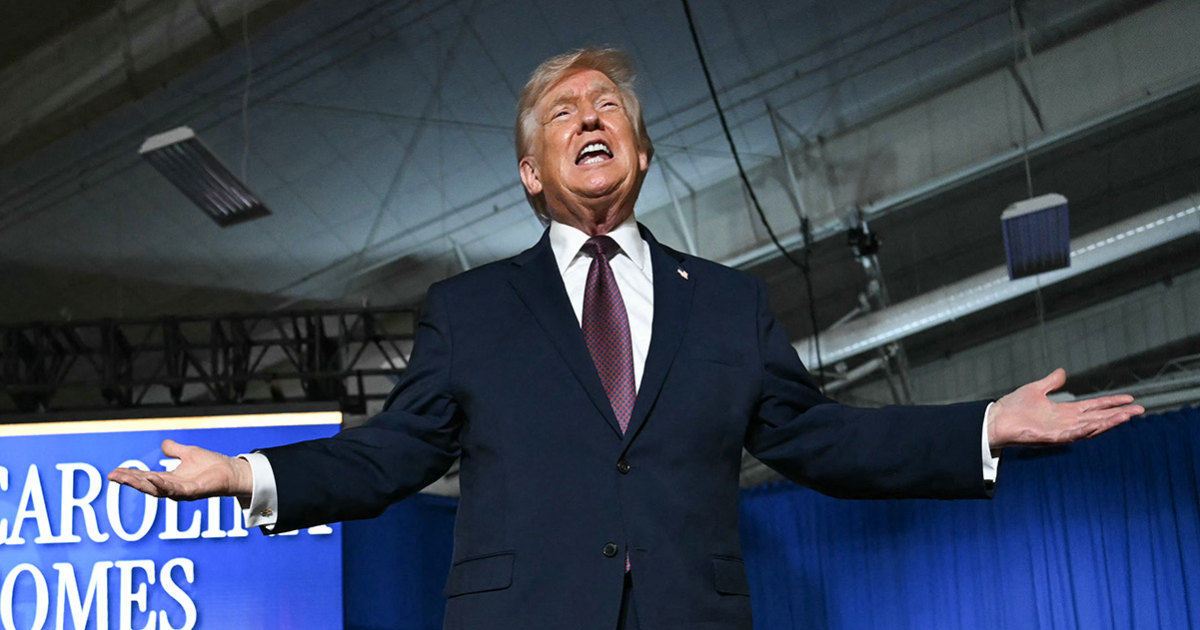
Rocky Mount, N.C. – In a spirited campaign-style speech on Friday night, President Donald Trump endeavored to convince the American public of his administration’s strides in reducing costs and bolstering the economy. His address, however, meandered into a variety of tangential topics that often strayed from economic discussions, echoing the complexity of his communication style.
A Challenge to Economic Perception
As the narrative surrounding economic conditions has shifted unfavorably for Trump, there’s an increasing urgency for him to showcase tangible results from his policies. Recent polling has highlighted a palpable dissatisfaction among voters regarding economic situations, with many attributing the burden of rising costs—particularly in groceries and other essentials—to the Trump administration’s inaction.
As 2026 midterm elections loom, Trump is amplifying his message that relief is on the way. This came to the forefront with a primetime address he delivered earlier in the week, marking a concerted effort to reshape the public’s perception of the economy, which many view as faltering.
Reclaiming the Narrative: “A Dead Country to a Golden Age”
“We’re fixing four years of disaster and decline,” Trump stated confidently during his rally in North Carolina, a vital battleground state. This rhetoric is aimed not only at winning the hearts of voters but also at reinforcing the belief that America is on the brink of a revitalized economic era.
“In just 10 months, we went from a dead country to what we can now call the golden age of America,” he proclaimed, seeking to instill optimism among his supporters regarding the economic trajectory.
Negotiation Tactics and Drug Prices
Trump pointed to his negotiating prowess as a crucial factor in alleviating financial strains on Americans, particularly regarding prescription medication costs. He recounted a purported confrontation with French President Emmanuel Macron, insisting that tariff threats led to a new pricing structure that would result in lower drug prices for U.S. consumers.
“Without my tough negotiating, we wouldn’t have seen these changes,” Trump asserted, a sentiment that resonated with attendees eager for visible policies that could lead to economic respite.
Moreover, on the same day, he announced a significant agreement with nine pharmaceutical companies to reduce drug prices for Medicaid recipients and cash buyers. A visible sign behind him declared, “Lower Prices, Bigger Paychecks,” reinforcing his message of economic improvement.
Straying Off Course: Personal Anecdotes and Jabs at Opponents
While Trump aimed to focus on economic topics, his 90-minute address also diverged into personal narratives and sharp critiques of various political figures. He took aim at Representatives Ilhan Omar and Marjorie Taylor Greene, and even referenced former opponent Hillary Clinton in a derogatory tone, reiterating a familiar motif from his previous campaigns.
“You remember her, she was a nasty person,” Trump remarked to the crowd, weaving personal attacks into his overall narrative rather than strictly adhering to the economic themes he set out to address.
Health Speculations and Defensive Posturing
As Trump continues to face scrutiny about his age and health—especially with recent comments about his physical condition—he took a moment to reaffirm his vitality. Claiming he has passed cognitive tests, the president acknowledged that aging could bring about inevitable changes but emphasized that he feels as robust as he did 50 years ago.
“The time might come when I won’t be 100%, but that is not now,” he stated, attempting to quell growing concerns regarding his fitness for leadership.
Resentment Over Legal Issues
Among the many topics discussed, Trump expressed lingering frustration over the 2022 FBI search for classified documents at his Mar-a-Lago residence. He recounted the turmoil this caused in his personal life, specifically mentioning the disarray it left in his wife’s closet, utilizing this sentiment to connect with voters who might sympathize with his plight.
In a curious twist, Trump alluded to the potential resolution of his legal battles, highlighting the irony of negotiating with himself over any settlement proceeds, humorously suggesting he might channel any winnings toward charity.
The Midterm Election Landscape and Democratic Responses
Democrats are preparing to leverage issues of affordability in the upcoming midterm elections, with recent successes in gubernatorial races showcasing the potency of economic discussions. Meanwhile, some Republicans are urging Trump to maintain an unwavering focus on reducing costs, cautiously aware that distractions could hinder their electoral fortunes.
As controversies and distractions seem to bubble up frequently in Trump’s narrative, he and his team recognize the pressing need to shift back to core policies that resonate with everyday Americans.
A Shifting Tone on Economic Concerns
Political analysts, such as Mark Mitchell of Rasmussen Reports, have noted the changing rhetoric among Republican leaders regarding the economy. “There’s a marked shift,” he observed. “The conversation has evolved from dismissing affordability concerns to an urgent tone discussing rebuilding the American dream.”
With mere months until midterm elections, the stakes are high. The pressure weighs heavily on Trump and Republicans to demonstrate effective governance and emphasize solutions to pervasive economic challenges in a bid to secure voter confidence.



